Early Booking vs Last Minute in Croatia: The Real 2027 Discount Math
Early booking discount yacht charter Croatia vs last minute for 2027: the real math by month, boat size and base, plus a decision rule for every traveller.
Read more
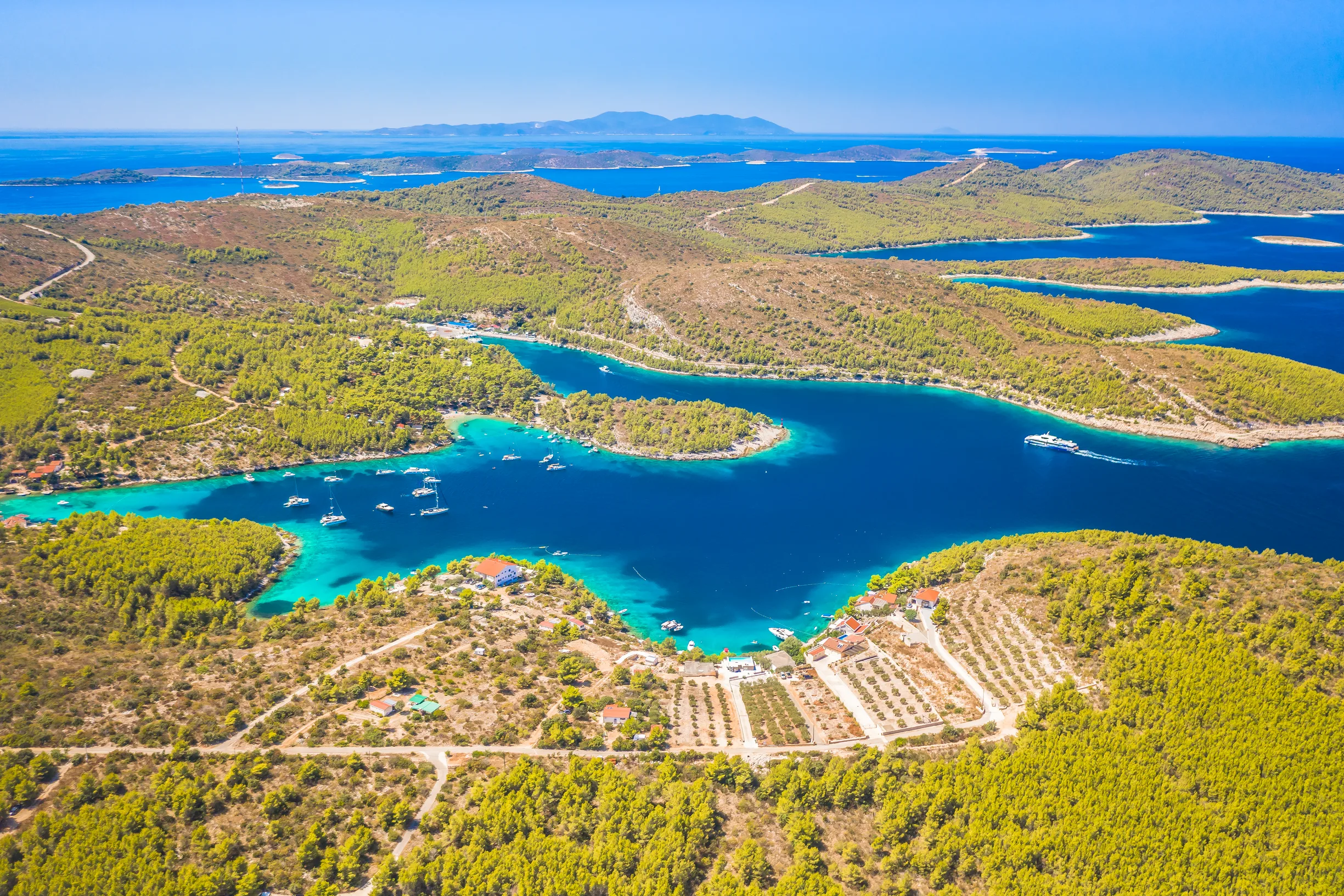
If you charter in Croatia in October, you eat better than the people who came in July. That is not nostalgia talking. Late October on the Dalmatian coast lines up with the olive harvest, the first young wine, and a stretch of weeks when konobas cook for locals again instead of cruise-ship turnover. The Croatia October food, wine and harvest calendar is the strongest argument for shoulder-season chartering that nobody puts in the brochure.
Here is the practical version. Boat prices drop, the bays empty out, and the kitchens that spent the summer plating identical grilled bream go back to cooking what their own families want for dinner. Olives come off the trees on Šolta and Brač, the must in the cellars on Pelješac is still fizzing, and the marenda menu, the working person’s mid-morning meal, reappears at half the summer price. Below is what to look for, where, and roughly what it costs.
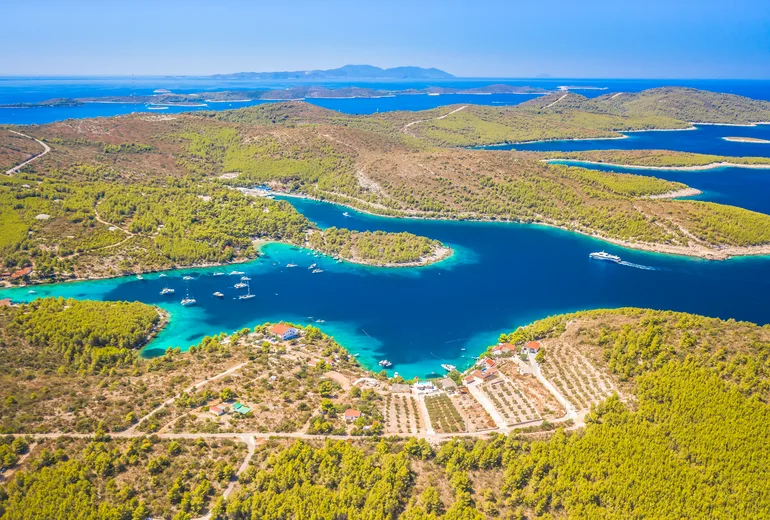
Croatian coastal cooking is seasonal in a way that summer hides. In peak months the volume forces shortcuts: frozen fish on a bad day, a tourist menu, a queue out the door. From the second week of October the rhythm changes. Fewer covers means a chef can buy a single good grouper at the morning market and build the day around it. The pace ashore slows to something human.
This matters on a charter because your shore meals stop being an afterthought. With short October days you are usually moored by mid-afternoon, which leaves a long, unhurried evening. Most crews find they end up eating one proper konoba dinner most nights instead of grabbing whatever is open. If you want the deeper version of finding and booking those kitchens, our guide to konoba dining and free moorings maps the ones worth a detour.
Marenda is the late-morning meal Dalmatian workers eat between jobs. Out of season many family-run places quietly bring it back: a daily-changing plate of brodet, pašticada, or stewed beans with pork, often €9 to €14 with a glass of house wine. It is the cheapest authentic eating on the coast and it almost never appears on the summer menu. Ask “imate li marendu danas?” and watch the welcome warm up.
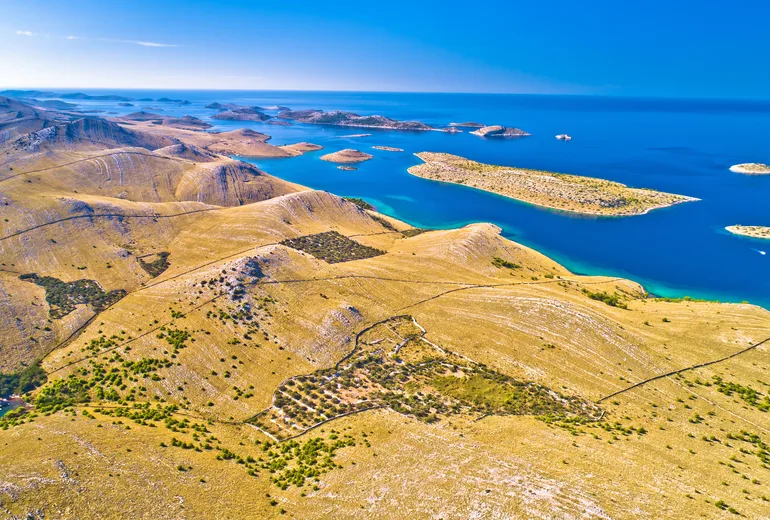
The Adriatic olive harvest runs roughly mid-October to mid-November, and two islands within easy reach of Split put it front and centre. Šolta has built its identity around the Levantinka olive; the cooperative in Grohote presses early and sells oil so fresh it bites the back of your throat. Tie up in Maslinica, walk or taxi inland, and you can usually watch nets going down under the trees and buy oil pressed that week for around €18 to €25 a litre.
Brač is the bigger, older oil island. The museum in Škrip and the small mills around Nerežišća press the local Oblica olive, and several groves take visitors during harvest if you call ahead. The taste difference is real: this early oil is green, peppery and cloudy, nothing like the polished supermarket version. Buy a couple of litres for the boat and your galley salads transform overnight.
From a Split or Trogir base, Maslinica on Šolta is roughly 14 NM, about two and a half hours under power. Milna on Brač sits about 9 NM further south and makes a natural second night. Both have sheltered moorings, useful when the first autumn fronts roll through. If you are still weighing whether the whole shoulder-season trip is worth it, our honest take on whether October sailing in Croatia delivers walks through the weather trade-offs.
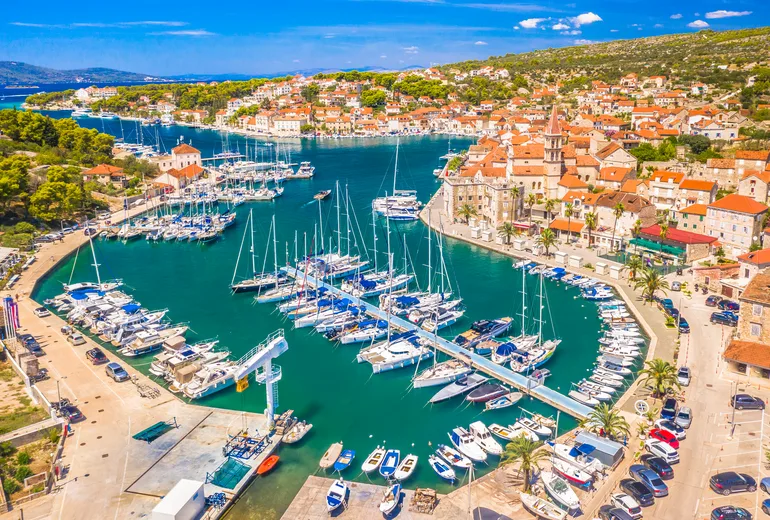
October is when the previous vintage is bottled and the brand-new must is still working in the tanks. On the Pelješac peninsula, the Plavac Mali reds from Dingač and Postup are the headline, but the experience that defines the season is sitting in a cellar in Potomje tasting wine that was grapes three weeks ago. Family wineries like the ones around Trstenik and Oskorušno open their doors with far less ceremony than in August.
Island wines are quieter but reward the detour. On Korčula, the white Pošip from Čara and Smokvica is at its freshest, crisp and slightly saline, and the cellars there will happily fill a few of your own bottles straight from the barrel for a handful of euros. On Hvar, Bogdanuša and the reds around Jelsa do the same. Most tastings run €10 to €20 a head, often waived if you buy a case.
A litre of last month’s olive oil, a barrel-filled bottle of island Pošip, and a brodet cooked for eight covers instead of eighty. That is October on the Adriatic, and it costs less than July.
Certain plates are effectively seasonal, and they return as the tourists leave. Watch for these on the daily board:
Pair any of them with the year’s new oil and a carafe of the house red and you have the meal the whole trip is built around. If peka is on your list, order it when you arrive, not when you sit down — the bell needs a couple of hours.
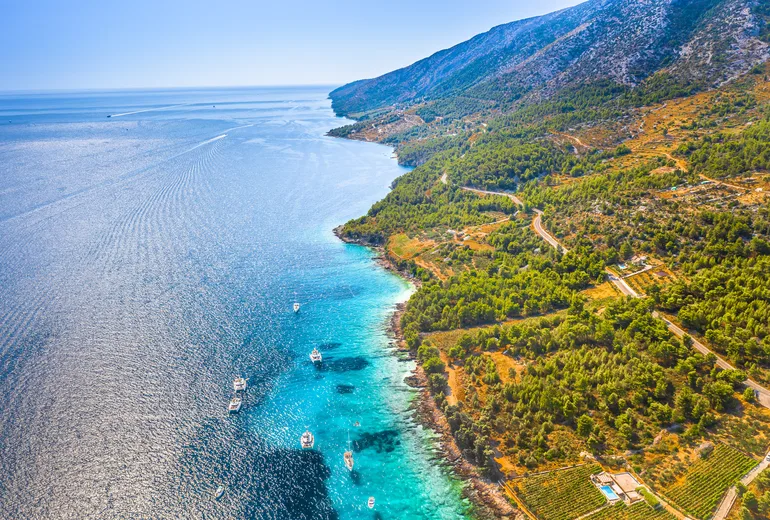
Autumn provisioning is genuinely better than summer. The markets in Split, Trogir and Šibenik are still busy but no longer stripped bare by mid-morning, so you get the pick of figs, late tomatoes, fresh sardines and the first mandarins from the Neretva valley. Fishermen sell directly off the quay in smaller harbours more readily once the season winds down.
Stock the galley with island oil, a wheel of Pag cheese, prosciutto from Drniš, and a few bottles of young red, and you can eat brilliantly aboard on the nights you do not go ashore. For a base-by-base breakdown of the best markets and shops, our Croatian provisioning guide covers where to buy at each charter base. One honest note: shop earlier in the day, because plenty of smaller stores cut their hours from mid-October.
If you are still deciding whether an autumn week stacks up on weather as well as food, our best time to sail Croatia guide sets the harvest season against the rest of the year.
It typically runs from mid-October to mid-November along the Dalmatian coast, depending on the year’s weather and the olive variety. Early to late October is the most reliable window to catch nets down under the trees and buy oil pressed that same week on islands like Šolta and Brač.
Yes, and it is often the best time. Pelješac, Korčula and Hvar cellars are quieter than in summer and several will let you taste the young vintage straight from the barrel. Call a day ahead where you can, as autumn opening hours are shorter and family wineries may need notice.
Generally, yes. Marenda menus reappear at roughly €9 to €14, tastings are cheaper or free with a purchase, and you are buying produce and oil at source. Combined with lower October boat prices, the eating-and-drinking side of the trip costs noticeably less than midsummer.
Fresh-pressed olive oil from Šolta or Brač, a bottle or two of Pelješac Plavac Mali or Korčula Pošip, Pag sheep’s cheese, and Drniš prosciutto all travel well. Buy the oil last, near the end of the trip, so it stays as fresh as possible.
Hungry yet? Plan a late-October trip around the harvest and the new vintage — browse the available Croatia charter yachts for shoulder-season dates and build your route around the kitchens worth sailing to.
Six short questions, then a real reply from a www.croatia-yachting.com broker within four working hours.