Olive Harvest & Young Wine: Why Late-Season Charter Crews Eat Best in Croatia
Croatia October food, wine and harvest by boat: olive picking on Šolta and Brač, young-wine cellars and marenda menus — the case for a shoulder-season charter.
Read more
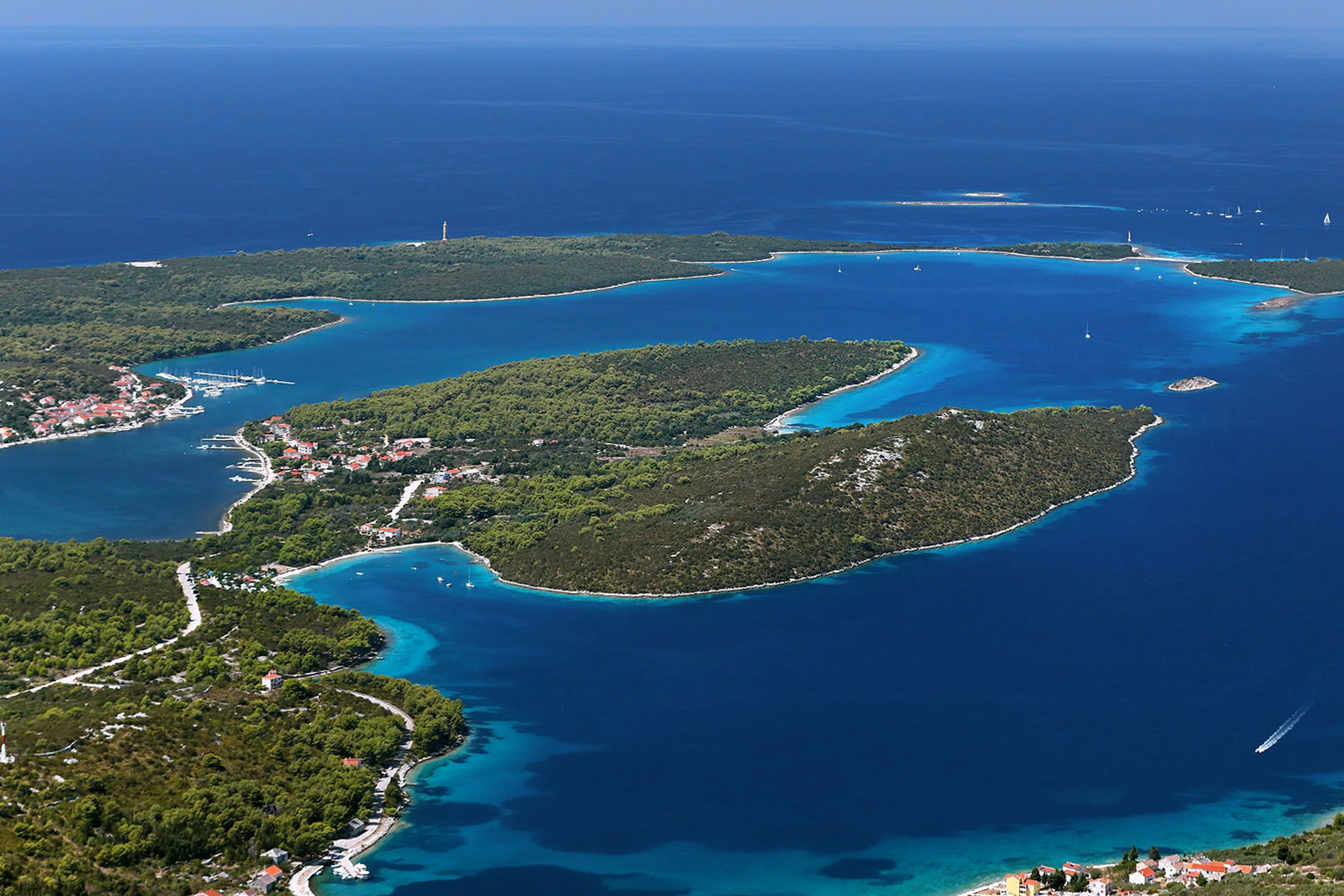
When Hvar Town’s quay and buoys are full, the smart move is not to circle, it is to point the bow across the channel to the Pakleni islands. Palmizana and the buoy fields off the Pakleni take the overflow with better swimming and quieter nights, while Stari Grad and Vrboska on the north of the island offer better-value, calmer overnight bases. A water taxi still gets you into Hvar’s nightlife, so a full harbour turns into a better night, not a ruined one.
The question of where to moor when hvar harbour full is one every August crew eventually faces. Here is the practical map: the buoy fields and marina across the channel, the two north-coast towns worth basing in, and the taxi logistics that keep you connected to the town without fighting for its quay.
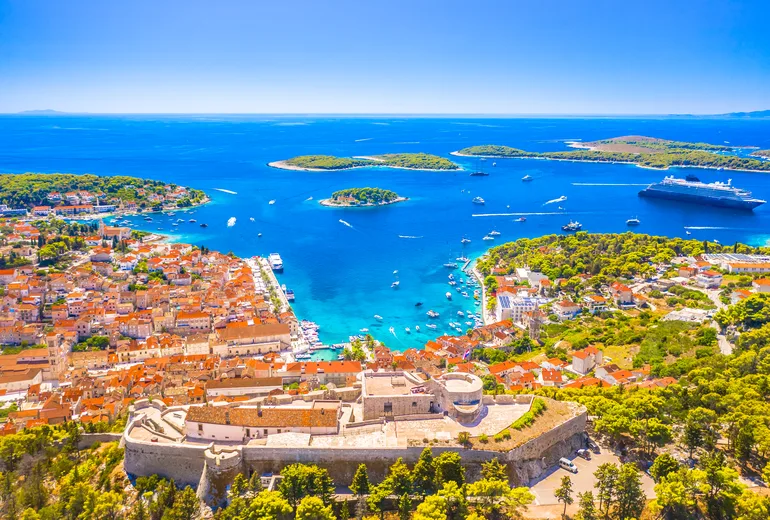
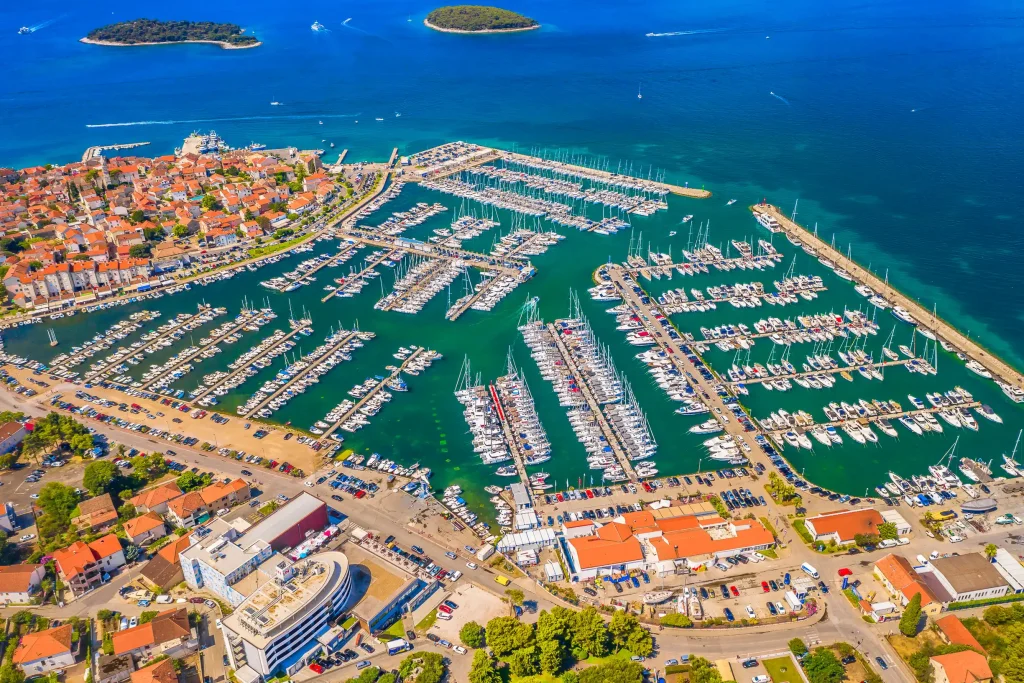
The Pakleni islands sit barely a mile and a half across the channel from Hvar Town, a fifteen-minute hop, and they are the obvious answer when the town fills. Palmizana, on the island of Sveti Klement, has a sheltered marina (ACI Palmizana) plus a string of buoy fields in the surrounding bays. The water is clearer than in Hvar’s busy harbour, the pine-fringed coves are calmer, and you wake up to forest and turquoise rather than a wall of rafted boats.
Buoy fields off the Pakleni, in bays like Vinogradišće and the coves near Palmizana, are mostly tied to konobas and beach restaurants that lay them. Pick one up and the deal is usually dinner ashore in return, with fees around €30–60 where charged. The marina itself is pricier and books up, so a buoy is both cheaper and more in keeping with the islands’ low-key feel. This is the kind of anchorage-and-dinner rhythm we walk through in our day on a Croatian catamaran from sunrise anchor to sunset konoba.
Vinogradišće bay, just behind Palmizana, is the social hub with several restaurants and easy water-taxi links, so it fills first. For more quiet, the smaller coves further along the Pakleni chain hold fewer buoys and stay calmer, though you trade some convenience for the peace. Watch the afternoon maestral, which can send a swell into the more open bays; tuck into the lee and you will sleep well even when Hvar across the water is heaving.
If you would rather base on Hvar itself, cross to the north coast. Stari Grad sits at the head of a long, protected bay, one of the oldest towns in Europe, with a generous quay, a marina and far gentler pricing than the south side. The approach up the bay is well sheltered, the old-town lanes are atmospheric without the crush, and a berth here is usually findable later in the day than anything in Hvar Town.
Vrboska, a few miles east, is smaller and quieter still, a creek-like inlet the locals call “little Venice” for its bridges and waterways. It has a marina and town moorings, a couple of good konobas, and a calm that the south coast loses entirely in August. Both towns put you on Hvar with a fraction of the berth stress, and they sit naturally within a wider central Dalmatia loop, which we map out in our guide to charter routes from Split and the best catamarans for them.
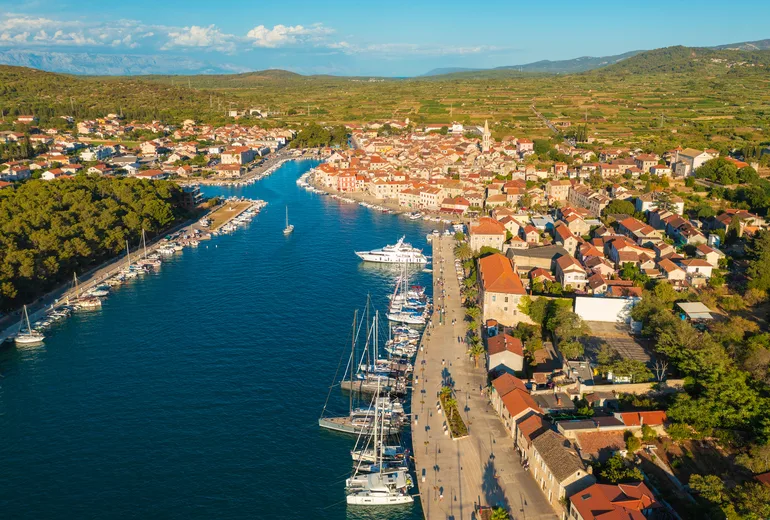
Beyond the easier berthing, the north coast is simply better value. A marina or quay night in Stari Grad or Vrboska typically undercuts Hvar Town, and the konobas charge island prices rather than glamour-strip prices. You also get the Stari Grad Plain behind the town, a UNESCO-listed grid of ancient vineyards and olive groves, and some of the best peka and local wine, Plavac Mali from the island’s south-facing slopes, on Hvar. For crews who came for the sailing and the food rather than the cocktail bars, it is the better base outright.
There are nights in mid-August when the town is full and so are the Pakleni buoys. That is when an anchorage earns its keep. The Pakleni chain has good holding in several bays on the Vinogradišće side and in the coves toward Vlaka, where you can drop the hook off the buoy field and still dinghy in for dinner. Lay generous scope, because the channel funnels the afternoon maestral, and pick a bay open to the opposite side of the forecast.
On Hvar’s south coast, the sheltered inlets near Zavala and the long bay at Jelsa on the north give you protected water and a town quay or anchorage well away from the Hvar Town crush. Jelsa in particular is an underrated overnight, with a working harbour, several konobas and a calm bay, an easy hop from both Stari Grad and the Pakleni. Keep one of these anchorages in mind as the final fallback, and a packed Hvar never leaves you without a safe, quiet berth.
Basing off Hvar Town does not mean going without. Stari Grad and Jelsa both have proper supermarkets and morning markets for fish, fruit and the island’s olive oil and wine, so you can provision better there than on the busy south-side strip. Plan the bigger shop before you head for the Pakleni, where a remote konoba is the meal rather than the market. For the full picture of where to stock up at each base, our Croatian provisioning guide for where to buy at each base saves you a wasted trip ashore.
The reason crews fear leaving Hvar Town is the nightlife, and that fear is misplaced. From the Pakleni islands, regular water taxis and small ferries run between Hvar Town and Palmizana and Vinogradišće through the evening in season, a short crossing that lets you moor in peace and still hit the bars. Check the last return time before you go ashore; the late boats run until the early hours in peak season, but they do stop.
From Stari Grad and Vrboska the link is by road rather than water, a taxi or a pre-booked transfer over the hill to Hvar Town in twenty minutes or so. Many crews simply enjoy a quiet konoba dinner where they are moored and save the town for a daytime visit, which sidesteps the whole logistics question. Either way, a full Hvar harbour costs you nothing more than a short ride, and gains you a calmer, cheaper, often better night.
The water taxi from the Pakleni to Hvar Town runs a few euros a head each way in season, cheap insurance against a night circling a full quay. Build the timing into your evening: aim to be on a buoy by mid-afternoon, dinghy ashore for the early taxi, and note the last return so the night does not end with a long row in the dark. From the north coast, agree the road fare or transfer before you set off, as island taxi pricing varies and pre-booking avoids a wait. None of it is expensive, but a little planning turns the logistics from a worry into an afterthought.
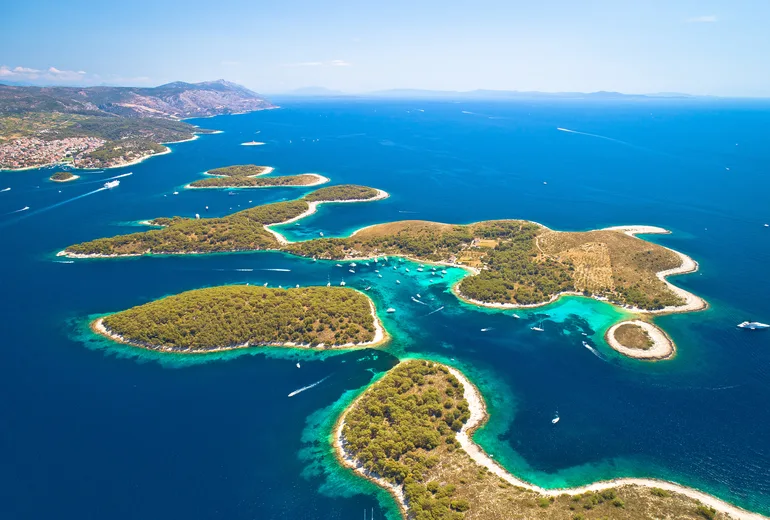
Make the call early, ideally by VHF or phone an hour out, so you are not improvising at the harbour mouth. If the town quay and buoys are full and you still want a buzzy evening, head for a Pakleni buoy off Palmizana or Vinogradišće and take the water taxi in. If you would rather a quiet, better-value night on Hvar itself, cross to Stari Grad or Vrboska on the north coast. If a hard maestral or southerly is forecast, the sheltered head of Stari Grad bay is the safest of the lot.
The crews who handle a packed Hvar best are the ones who decided their fallback before they arrived. With a buoy field, two north-coast towns and a water taxi in your back pocket, the words “Hvar is full” stop being a problem and start being a nudge toward a better anchorage. To slot all of this into a full week, browse our Croatia sailing destinations and routes and build Hvar in without building in the stress.
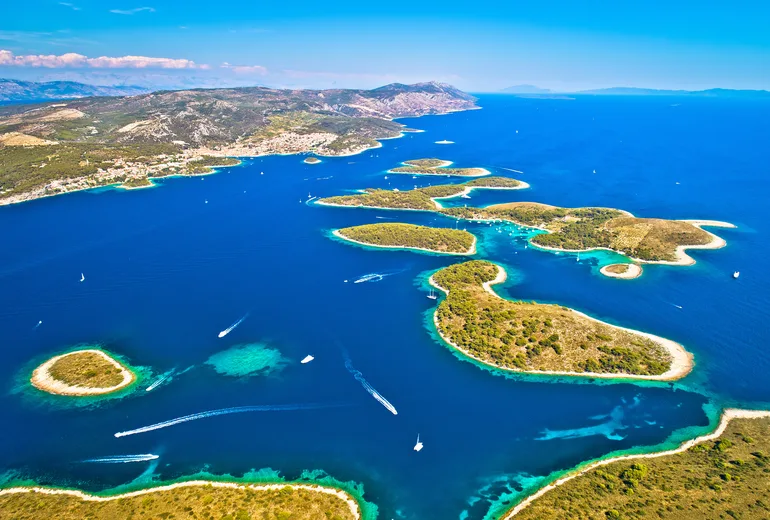
Cross to the Pakleni islands, about fifteen minutes away, where Palmizana’s marina and the buoy fields off Vinogradišće take the overflow with clearer water and quieter nights. Alternatively, base on Hvar’s north coast at Stari Grad or Vrboska, both calmer and better value than the town quay.
Yes. Regular water taxis and small ferries run between the Pakleni islands and Hvar Town through the evening in season, a short crossing each way. Just check the last return time before you go ashore, as the late boats run until the early hours in peak season but do eventually stop.
Very good. Stari Grad sits at the head of a long, sheltered bay with a generous quay and marina, gentler pricing than Hvar Town, and a berth that is usually findable later in the day. You also get the UNESCO-listed Stari Grad Plain and excellent local wine and peka nearby.
Buoy fields off the Pakleni are mostly laid by konobas and beach restaurants, with fees around €30–60 where charged, and often waived if your crew dines ashore. The ACI marina at Palmizana is pricier and books up, so a buoy is usually both cheaper and more in keeping with the islands’ quiet feel.
The head of Stari Grad bay on the north coast is the most protected, well worth choosing when a hard maestral or southerly is forecast. Vrboska’s creek-like inlet nearby is also very calm, while the Pakleni bays are sheltered if you tuck into the lee away from the afternoon swell.
Build Hvar into a week that flows around the crowds rather than into them with our Croatia charter destinations and routes.
Six short questions, then a real reply from a www.croatia-yachting.com broker within four working hours.