Olive Harvest & Young Wine: Why Late-Season Charter Crews Eat Best in Croatia
Croatia October food, wine and harvest by boat: olive picking on Šolta and Brač, young-wine cellars and marenda menus — the case for a shoulder-season charter.
Read more
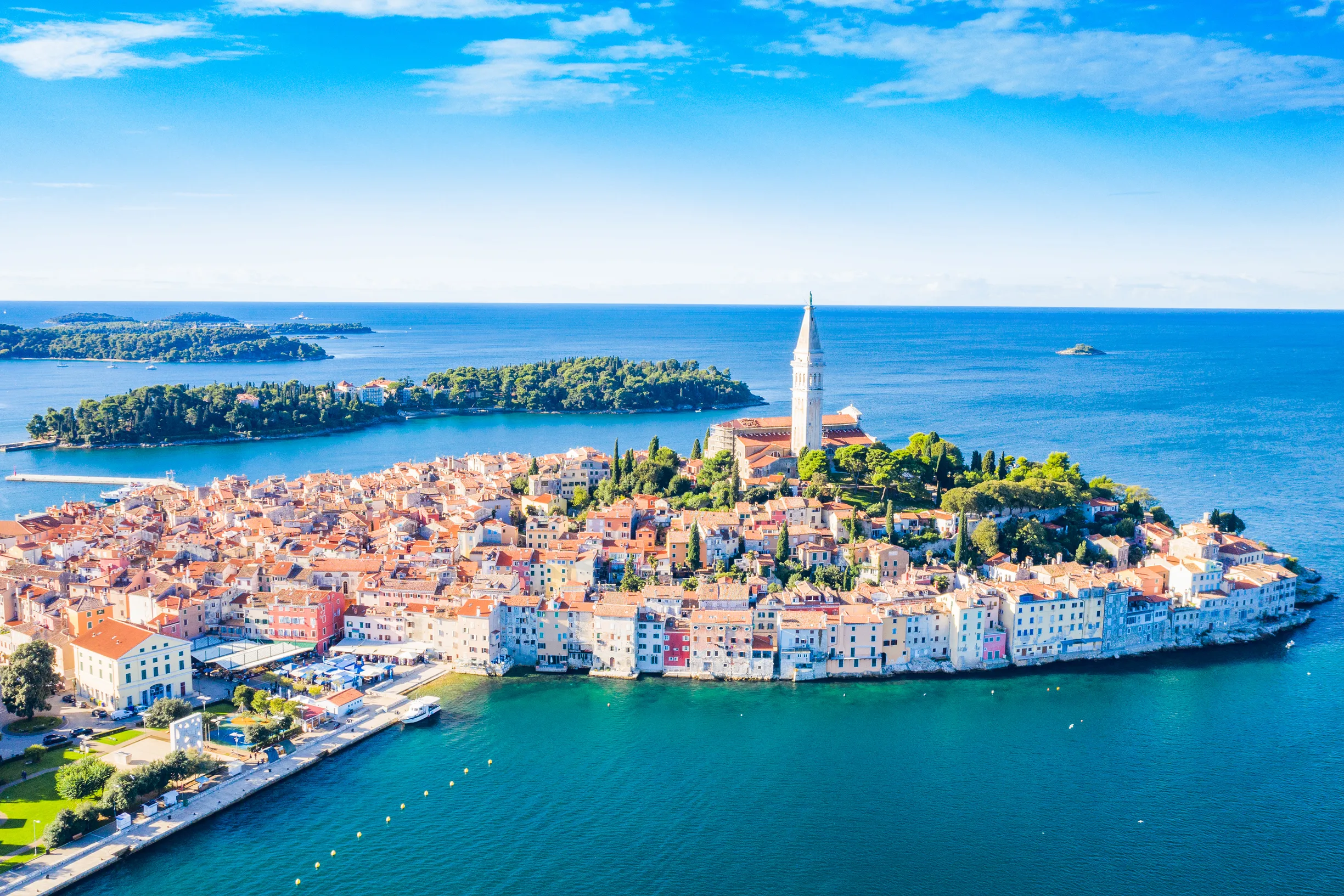
Istria is the polished end of the Croatian coast, and almost nobody writes about sailing Istria in Croatia for charter crews. The fleets concentrate in Dalmatia, which leaves the west-Istrian shore — Rovinj, the Lim fjord, the Brijuni islands — comparatively open, with grander towns, better food and a noticeably different feel. Venetian rather than Dalmatian, vineyards and truffle hills rather than bare karst.
Sailing Istria Croatia rewards crews who do a little homework, because two of its best spots come with strict rules. Brijuni is a national park with controlled entry, and the Lim Bay is a protected no-anchor zone — get either wrong and you risk a fine or a turned-away approach. This guide covers the rulebook plus the practical stops, and goes deeper than our Pula base guide and Kvarner routes, which focuses on getting started from the south of the peninsula.
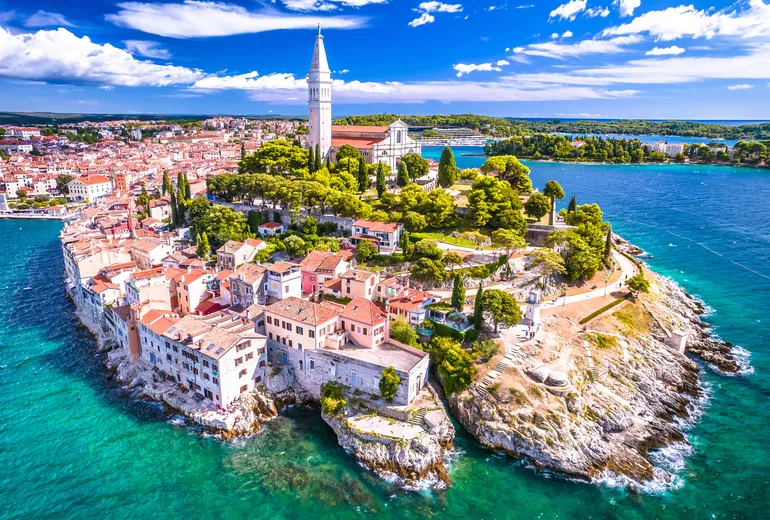
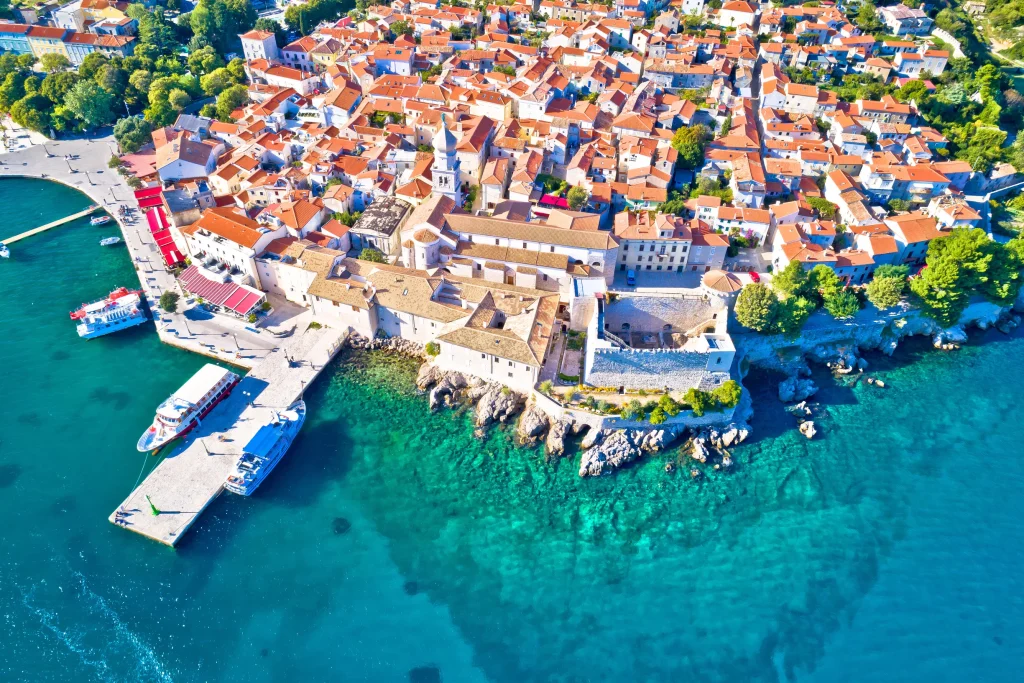
Rovinj is the highlight of the Istrian coast — a pastel old town crammed onto a peninsula, crowned by the bell tower of St Euphemia, with the wooded offshore islands of the Rovinj archipelago scattered just to the south. It’s the natural high point of any Istrian sail, and you have a clear choice for the night.
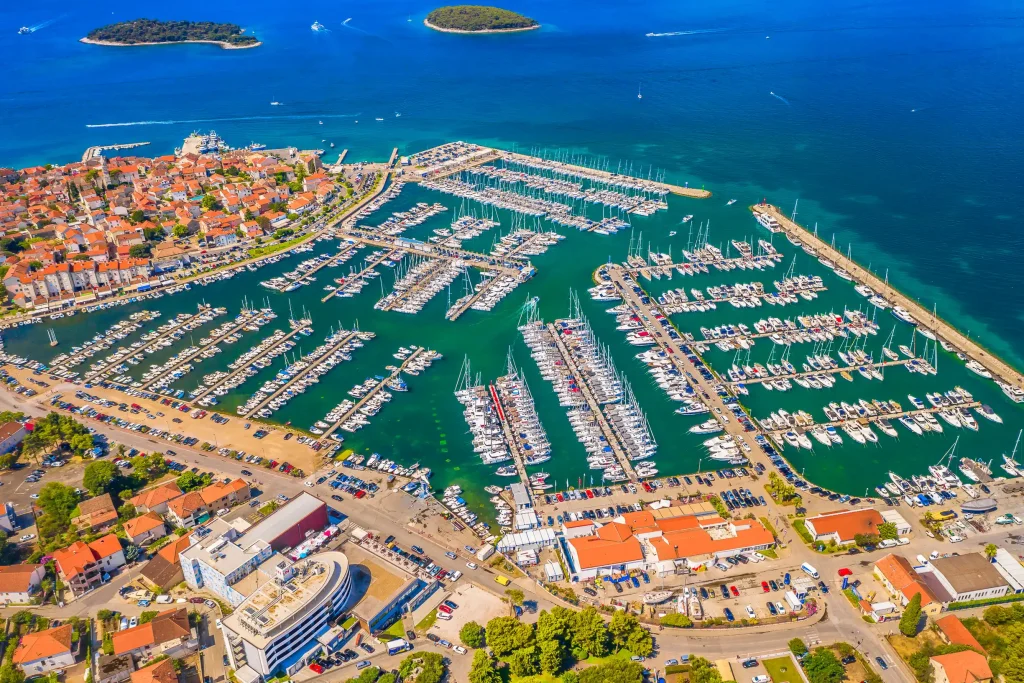
The ACI marina sits right below the old town, so you step off the boat into the heart of Rovinj. It’s polished and pricey — among the more expensive marinas in Croatia, with peak-season rates for a mid-size yacht often €100–180 a night — and it books up fast in August. The payoff is unbeatable access to the restaurants and the evening atmosphere. Reserve well ahead if you want a summer berth here.
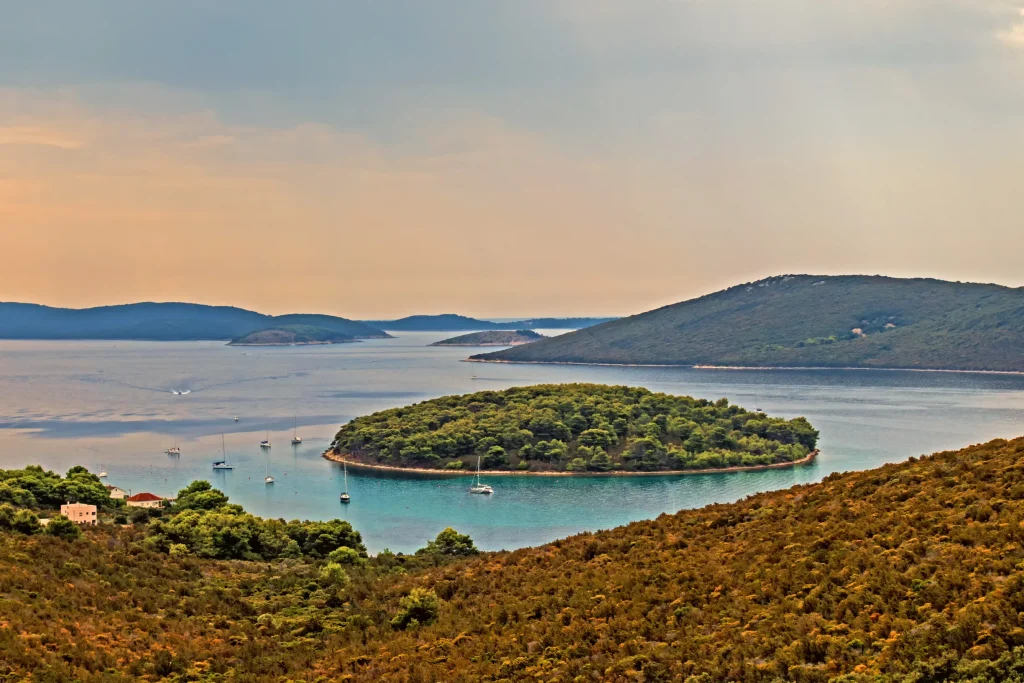
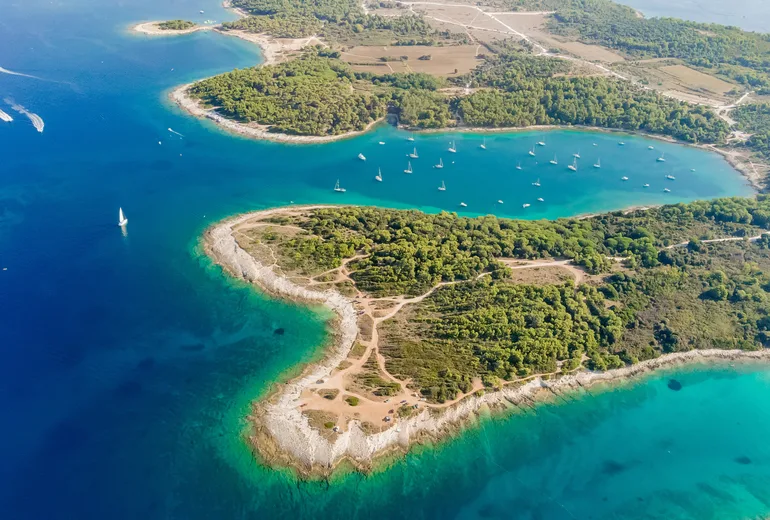
For a quieter, cheaper night, head a mile or two south to the wooded islands of the Rovinj archipelago — Sveta Katarina and Crveni Otok (Red Island) both have sheltered coves where you can anchor or pick up a buoy, then dinghy into town for dinner. The view back at the old town glowing at sunset is the best in Istria, and you sidestep both the marina cost and the crush. Holding is reasonable in the lee of the islands, but check the forecast: this coast is exposed to the afternoon maestral and, less often, a strong bura.
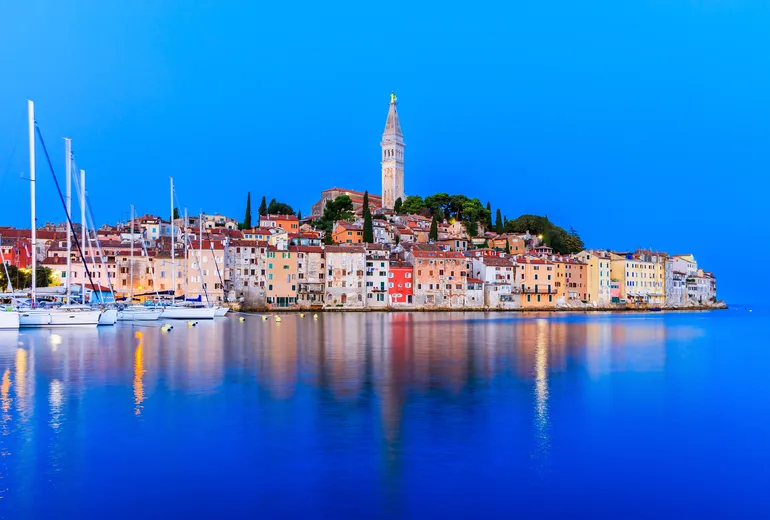
North of Rovinj, the Lim Bay (Limski kanal) cuts nearly 10 km inland — a steep-sided, fjord-like channel that’s genuinely striking from the water. It’s also a protected marine and shellfish-farming area, which means the rules are firm: anchoring and overnight stays are prohibited inside the bay, and there are no-go zones around the oyster and mussel beds.
You can still enjoy it. Sail or motor in to see the cliffs and the farms, and stop for a meal — there are a couple of well-known seafood restaurants near the head of the bay that maintain mooring buoys for guests, so you tie to a buoy, eat the oysters and mussels grown right there, and leave. Just don’t drop the hook, and don’t plan to sleep here. The Lim’s oysters and the local maneštra stews are reason enough for the detour; treat it as a long lunch stop, not an overnight.
The Brijuni islands, off the southwest tip of Istria near Fažana, are the trickiest stop to get right — and the most rewarding if you do. This is a national park with a heavily controlled regime, the former summer retreat of Yugoslav president Tito, now a curious mix of safari park, Roman ruins and manicured parkland.
You cannot simply sail in and anchor where you like. To visit by private or charter boat you generally need to arrange entry and a berth in advance through the park authority — the only marina is at Veli Brijun, and capacity is limited, so book ahead. There’s a park entry fee per person on top of the berth, and large stretches of water around the islands are off-limits to navigation and anchoring to protect the park. The rules change from season to season, so confirm the current regime with the park or your charter company before you go.
Once ashore, the island is explored on foot, by bike or by the park’s little train. Highlights: the safari park with zebras and other animals gifted to Tito, the remarkably preserved Roman villa at Verige bay, dinosaur footprints in the coastal rock, and groomed walking trails through old parkland. It’s unlike anywhere else on the coast — more open-air museum than wild island. Allow a full day if you make the effort to get a berth.
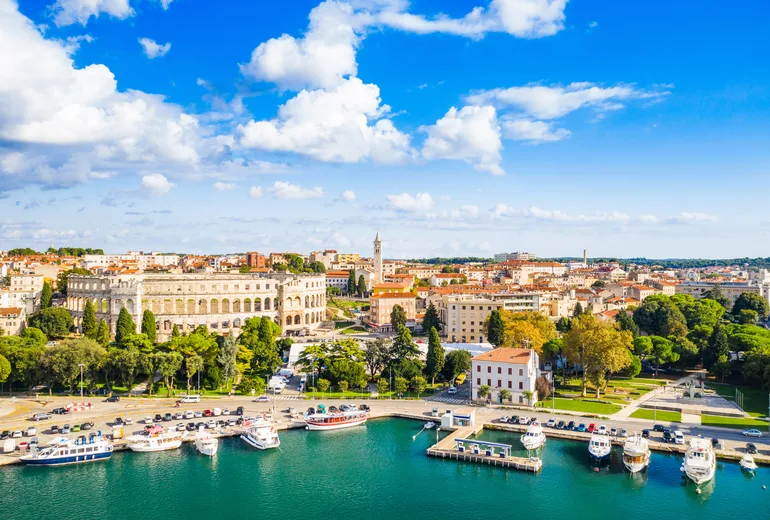
Beyond the headline three, the Istrian shore strings together a sequence of distinctive towns. Pula at the southern tip has its astonishing Roman amphitheatre — one of the best-preserved in the world — right above the harbour, and makes a logical base or end point with good marina options and an airport nearby. Poreč to the north has the UNESCO-listed Euphrasian Basilica with its sixth-century mosaics and a lively marina at the edge of the old town. Novigrad, smaller and walled, is a quieter overnight with an excellent fish-restaurant reputation. Down at the peninsula’s foot, the protected coves of Cape Kamenjak and the Medulin bay — with Marina Pomer as a sheltered base — give you swimming and anchoring away from the towns, plus the low islets of the Medulin archipelago to potter among.
Istria eats differently from the rest of the coast, and for many crews that alone justifies the trip. This is truffle country: the forests around Motovun and Buzet inland produce some of Europe’s best white and black truffles, shaved over fuži pasta and fried eggs in konobas all over the peninsula. The seafood leans Venetian — brodet stew, scampi buzara, the oysters and mussels from the Lim Bay. And the wines are a genuine surprise: crisp, mineral Malvazija whites and the deep-red Teran, both widely poured and easy to buy ashore. Pick up a few bottles and a jar of truffle paste in Rovinj or Poreč before you sail south; they travel well and turn a quiet anchorage dinner into something memorable. The olive oils here regularly top international rankings, too — worth a tasting if you pass a producer near the marina.
A natural Istrian week runs from Pula or Medulin in the south, up via Brijuni and Rovinj, to the Lim Bay and Poreč, and back — short legs, big towns, and a coast that feels distinct from anywhere in Dalmatia. The northern winds and the exposed shore make settled weather more important here than in the island-sheltered south, so build flexibility into the plan. For a crowd-free contrast once you’ve sailed the polished north, our route through the quiet Šibenik islands via Žirje, Kakan and Kaprije shows the other end of the Croatian spectrum.
Istria has fewer charter bases than Dalmatia, which keeps the planning simple. Pula is the main one — an international airport a short transfer from the marinas, a good fleet, and an easy run up the coast. Pomer in the Medulin bay is the sheltered, quieter alternative just to the south. Further north, smaller bases at Poreč and the marina at Funtana put you closer to Rovinj and the Lim Bay from the off. A one-way Istrian week is harder to arrange than in the islands, so most crews sail a return loop from Pula or Pomer.
The natural seven-day shape: out from Pula or Pomer, up to Brijuni for a day if you’ve secured a berth, on to Rovinj for the headline night, a lunch stop in the Lim Bay, then Poreč and Novigrad before working back south with a swim day around Cape Kamenjak. It’s roughly 90–120 NM over the week — shorter than a Dalmatian island loop, with more time ashore in bigger towns. Crucially, leave slack in the plan: this exposed coast can hand you a weather day, and the Brijuni berth may dictate when you go.
Istria’s west coast is more exposed than the island-dense south, with fewer all-weather bolt-holes, so watch the forecast and have a marina fallback (Rovinj, Poreč, Pula, Pomer) in mind on unsettled days. Provisioning is excellent in the bigger towns. And budget for higher marina fees than Dalmatia — Rovinj in particular — plus the Brijuni park and berth costs if you include it; our Croatian marina guide on ACI versus private marina fees helps you budget the nights. Confirm the Brijuni and Lim Bay rules close to your dates, since both are actively managed and the details shift season to season.
To see which boats are based in or can reach Istria for your dates, and to compare prices, browse our Croatia charter fleet and filter by base.
No. The Lim Bay is a protected marine and shellfish-farming zone where anchoring and overnight stays are prohibited, with additional no-go areas around the oyster and mussel beds. You can sail in to see it and tie to a restaurant’s mooring buoy for a meal, but you can’t drop the hook or sleep there.
You need to arrange entry and a berth in advance — the only marina is at Veli Brijun and space is limited. There’s a per-person park fee on top of the berth, and much of the water around the islands is closed to navigation and anchoring. Confirm the current rules with the park authority or your charter company before you go.
If you want to step into the old town for dinner and the evening, yes — ACI Marina Rovinj is right below the centre. To save money and crowds, anchor at the nearby archipelago islands like Sveta Katarina or Crveni Otok and dinghy in; the sunset view of Rovinj from there is the best on the coast.
It’s more exposed. The west-Istrian coast has fewer sheltered island anchorages than the Dalmatian archipelagos, so settled weather and a marina fallback matter more. The distances between towns are short, though, and the navigation is straightforward — just keep an eye on the maestral and the occasional bura.
Tempted by the quieter, grander north? Compare Istrian bases and routes against the rest of the coast on our Croatia sailing destinations page and find the right boat for the trip.
Six short questions, then a real reply from a www.croatia-yachting.com broker within four working hours.