Olive Harvest & Young Wine: Why Late-Season Charter Crews Eat Best in Croatia
Croatia October food, wine and harvest by boat: olive picking on Šolta and Brač, young-wine cellars and marenda menus — the case for a shoulder-season charter.
Read more
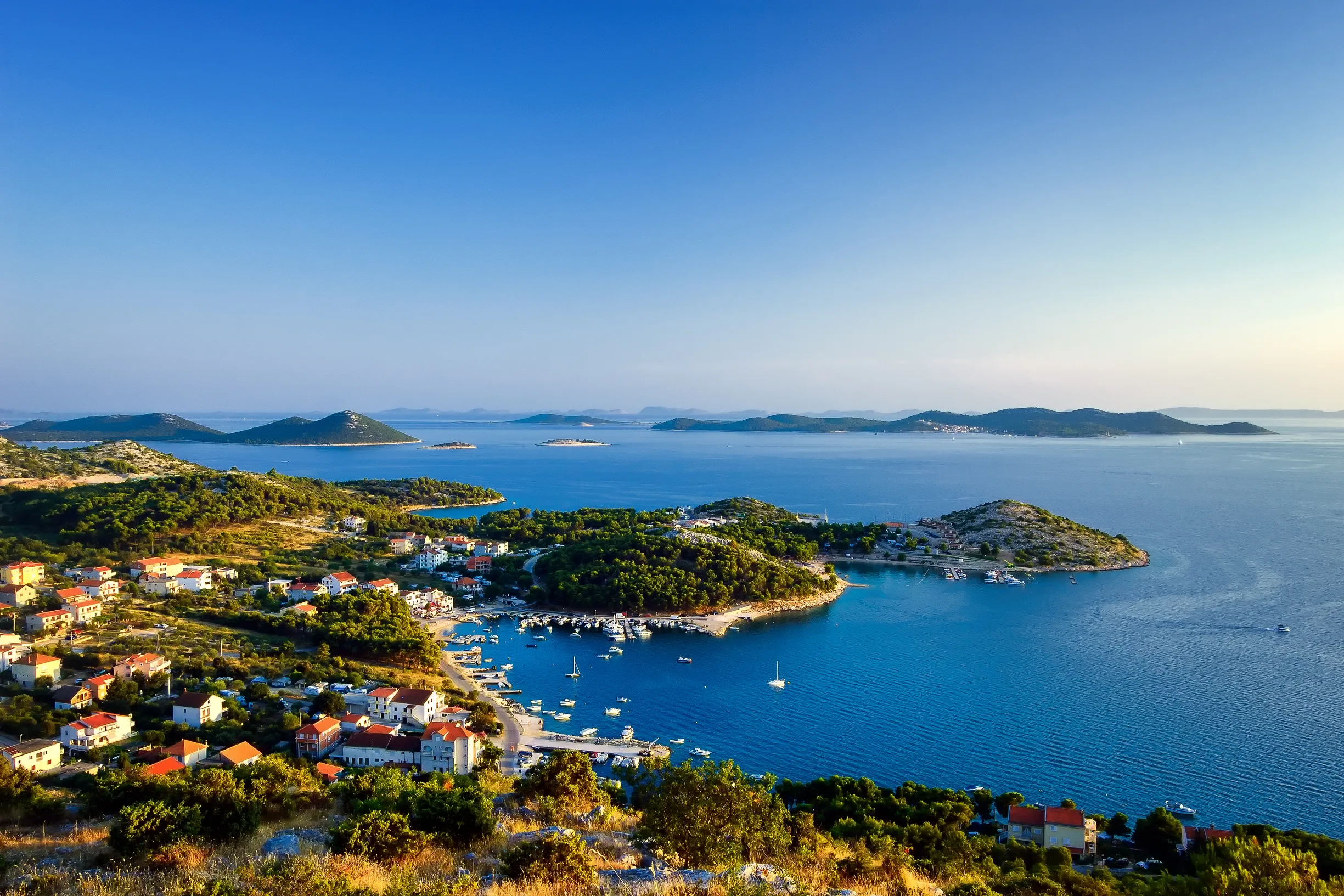
Yes, plenty of Croatian konobas really will give you a free mooring buoy if your crew comes ashore for dinner, and it is one of the best deals in Adriatic sailing. The buoy is effectively your table deposit: pick it up, eat a proper meal at their tables that evening, and the mooring costs you nothing. Getting it right comes down to a phone call, a pre-order, and understanding the unwritten rules that keep the whole arrangement working.
This is the practical guide to konoba croatia mooring with dinner: how the buoy-for-dinner deal actually works, how to book by phone or VHF, why peka has to be ordered hours ahead, what the cash expectations are, and a region-by-region shortlist of the legendary boat-access konobas worth planning a route around.
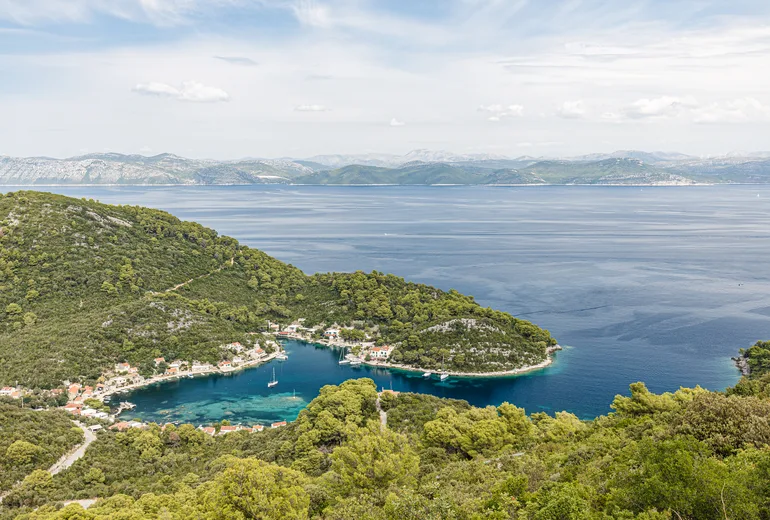
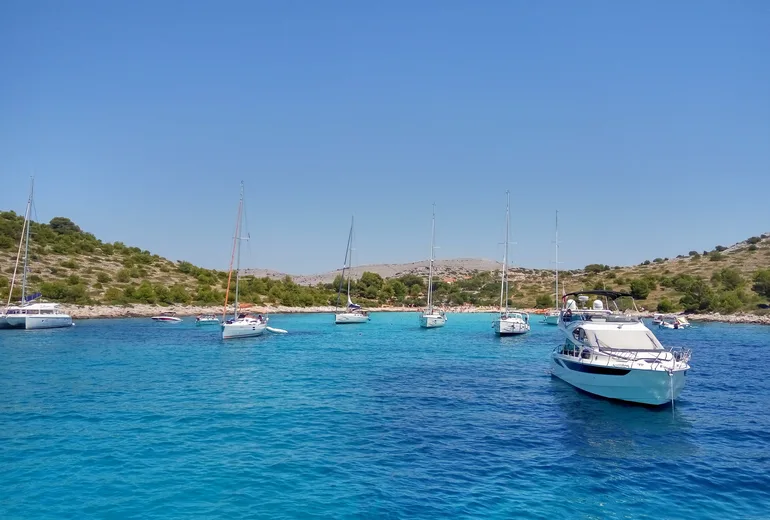
The principle is simple and old. A family konoba on a quiet bay lays its own mooring buoys, sometimes a handful, sometimes a whole field, and offers them free to visiting boats on the understanding that the crew dines there. No formal contract, no menu minimum, just a long-standing exchange: a secure mooring for a normal evening’s custom. Spend a fair amount on dinner and everyone is content.
What sours it is treating the buoy as a free marina. A crew that picks up a buoy, swims all afternoon, then dinghies off to eat somewhere else has broken the deal, and word travels fast in a small bay. The konoba owner is not running a charity; the meal is the rent. On a typical evening you will pay roughly €25–45 a head for a generous spread of grilled fish or peka, salads, local wine and the usual mezze, which is hardly a hardship for a free, secure mooring and a memorable dinner.
Do not expect shore power or a water tap on a konoba buoy. You get a secure attachment to the seabed and a short dinghy ride to dinner, nothing more. Charge your batteries and fill your tanks in a bigger port beforehand, and treat the konoba evening as the social heart of the day rather than a services stop. The trade-off is heavily in your favour: a quiet bay, a fresh meal and no berth fee.
In July and August the good konoba buoys fill by late afternoon, so a call ahead is the difference between a held mooring and a wasted detour. Phone around lunchtime, often to a number painted on the seawall or listed on the konoba’s social page, give your boat length and beam, and say you will dine there that evening. Most owners will hold a buoy for a boat your size.
Some konobas monitor VHF, but the phone is more reliable for the small family places. A wide catamaran is worth flagging on the call, because a 45-foot cat takes the room of two or three monohulls on a small buoy field, and the owner would rather know in advance. Booking the buoy and pre-ordering the food in the same call is the move that marks out the crews who have done this before. The whole rhythm of buoys, anchorages and dinners sits within the wider picture of what a night really costs in Croatia, anchor, buoy or marina.
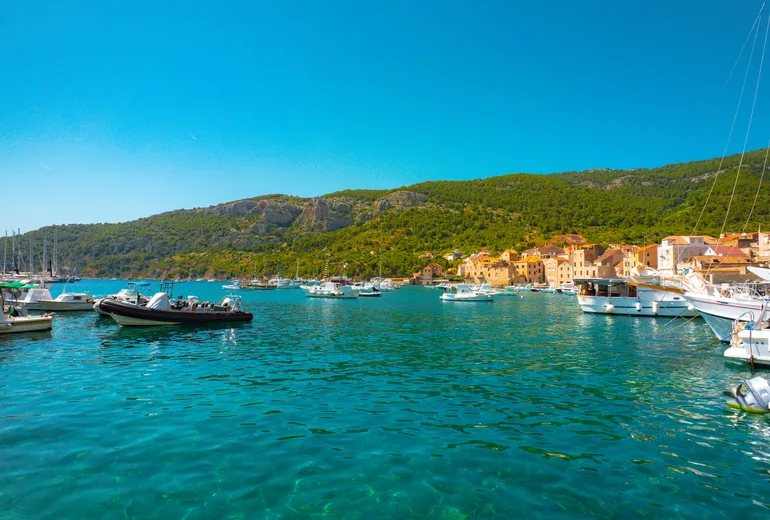
Peka is the reason many crews plan a whole evening around a particular konoba. It is meat, usually lamb, veal or octopus, or sometimes all three, baked slowly under a heavy iron bell, the peka, buried in embers for two to three hours. The result is fall-apart tender, smoky and rich, served with potatoes that have soaked up the juices. It is also the one dish you absolutely cannot order on arrival.
Pre-order peka when you book the buoy, at least three hours before you want to eat, and confirm the meat and the number of portions. The owner lights the embers and sets the bell on your timeline, so a same-day no-show leaves them with a wasted dish. Specify lamb, veal or octopus, and ask how many people each portion feeds, because peka is generous and usually priced by the kilo. Pair it with a robust local red, a Plavac Mali on the southern islands or a Babić near Šibenik, and you have the meal everyone remembers.
Carry cash. Small konobas on remote bays often do not take cards, and there is rarely an ATM nearby, so euros in hand are essential. The buoy itself is free with dinner, so you do not tip for the mooring; you simply pay the bill warmly and round it up or leave five to ten percent for good service. If the owner held your buoy, helped with your lines and the peka was perfect, a little extra is remembered next season.
Croatia has dozens of legendary konobas you can only reasonably reach by boat. Here is a starting shortlist by cruising area to build a route around.
The bays of Šolta, around Maslinica and Stomorska, and the quieter coves on Brač near Milna hold family konobas that lay buoys and do excellent peka. The Pakleni islands off Hvar have several restaurant-run buoy fields where dinner secures the mooring. These slot neatly into a loop out of Split, which we lay out with the best catamarans for it in our central Dalmatia charter routes from Split.
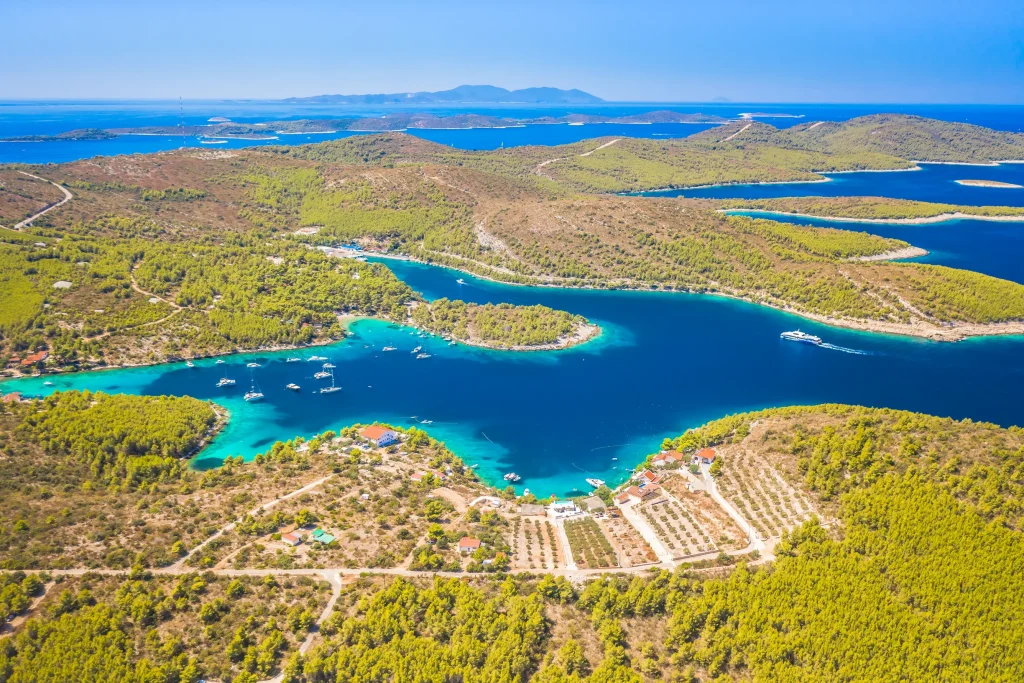
The Kornati National Park is konoba country, with restaurants on islands like Žut, Kornat and the Ravni Žakan area laying buoys for dinner guests, many famous for fresh-caught fish and lamb peka. They are remote, so book ahead and provision for breakfast. The approach through the Šibenik islands and up toward Skradin is covered in our guide to Šibenik routes through Kornati National Park and Krka.
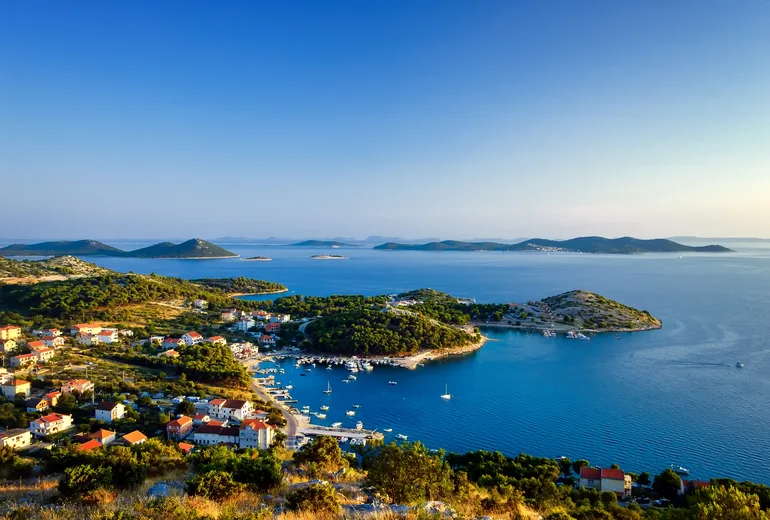
A few sensible checks save awkwardness. Confirm on the booking call that the buoy is genuinely free with dinner, because a handful of places charge a small fee on top in peak weeks. Ask whether the buoy suits your length and beam. Be wary, in a busier bay, of a freelance line-handler who grabs your buoy line and then expects cash unconnected to the konoba; your own crew handling the pick-up usually settles it.
Above all, honour the exchange. The dinner-for-buoy system has run for generations on goodwill, and it survives because crews keep their side. Pick up the buoy, eat well, pay in cash, tip modestly, and you become the kind of boat a konoba is glad to see back. That is how a free mooring turns into the best evening of the week, again and again. To plan a route built around these bays, explore our Croatia sailing destinations and match anchorages to dinner tables.
In many quiet bays, yes. The konoba lays its own buoys and offers them free on the understanding that your crew dines there that evening, so the meal is effectively the rent for the mooring. Treat it as a fair exchange rather than a free marina, and expect to spend a normal amount on dinner.
Phone around lunchtime, often using a number painted on the seawall or on the konoba’s social page, give your boat length and beam, and say you will dine there that evening. The popular buoys fill by late afternoon in July and August, so calling ahead is the difference between a held mooring and a wasted detour.
At least three hours before you want to eat, ideally when you book the buoy. Peka bakes slowly under an iron bell in embers for two to three hours, so the owner needs your order and timing in advance. Specify the meat, lamb, veal or octopus, and the number of portions when you call.
No. A konoba buoy gives you a secure mooring and a short dinghy ride to dinner, with no shore power or water tap. Charge your batteries and fill your tanks in a larger port beforehand, and treat the konoba evening as a social stop rather than a services one.
Usually, yes. Small konobas on remote bays often do not take cards and rarely have an ATM nearby, so carry euros. The buoy is free with dinner so you do not tip for the mooring, but round up the bill or leave five to ten percent for good service, especially if the owner held your spot.
Hungry for a route built around the best boat-access konobas? Plan it with our Croatia sailing destinations and routes and book the buoys before they fill.
Six short questions, then a real reply from a www.croatia-yachting.com broker within four working hours.