Sailing Croatia in August 2026: How to Win the 4 PM Berth Race
Croatia sailing august crowds and berths sorted: arrive-by times, VHF calls, raft-up etiquette and a plan-B harbour list per region. Win the 4 PM berth race.
Read more
Updated May 2026.
Dubrovnik is Croatia’s premium charter base. Where Split’s Central Dalmatia route is busy and accessible, Dubrovnik’s southern cruising ground is quieter, more remote and more storied. Elaphiti, Mljet, Lastovo, Korčula and Pelješac sit south of the country’s main charter traffic — on a typical Saturday turnaround you’ll see 40-60 catamarans departing from Dubrovnik (ACI Komolac) vs Split’s 200+. This guide covers the standard 7-day South Dalmatia loop, which boats handle the offshore crossings best, and the practical considerations the brochures miss.
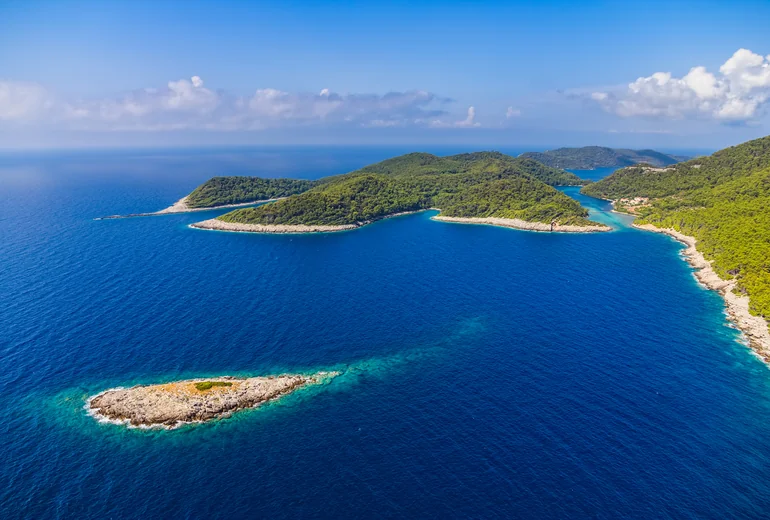
The Dubrovnik cruising ground gives you four things Split can’t match: the Elaphiti loop (three small islands — Lopud, Šipan, Koločep — that feel like a private cruising ground from Day 1), Mljet National Park (the saltwater-lake island with the Benedictine monastery), Lastovo (Croatia’s most remote inhabited island and the quietest charter destination in the country), and Pelješac (Croatia’s oyster + Dingač wine peninsula via Ston). The whole loop runs through what locals call “South Adriatic” — the bit of Croatia that doesn’t always show up in the brochure.
The trade-off is longer offshore legs (Dubrovnik → Lastovo is 38 nautical miles) and a less developed marina ecosystem outside Komolac and Cavtat. This is a charter for experienced sailors or first-timers willing to book a skipper.
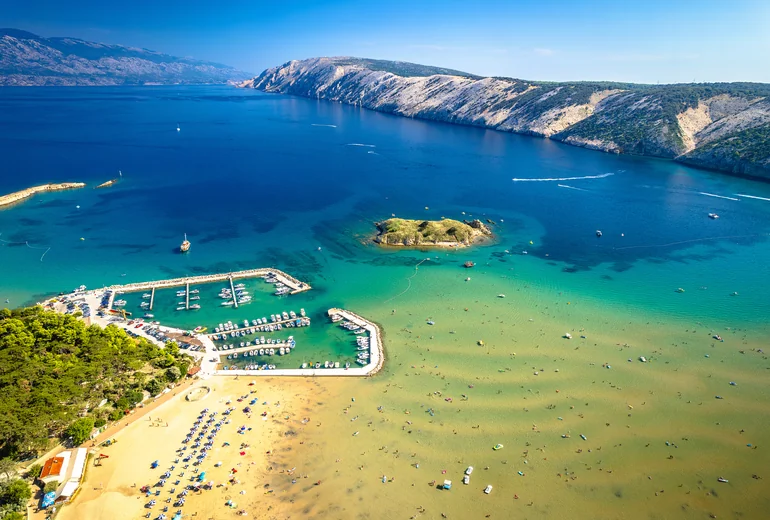
Saturday turnaround at ACI Marina Komolac (the deep-water Dubrovnik base) or Marina Dubrovnik Frapa Lapad alternative. Provisioning at Konzum or Tommy in Komolac/Mokošica.
Day 1: Dubrovnik → Cavtat — 12 nm. South to Cavtat for the easy shakedown sail. Cavtat’s bay is sheltered, the walking-distance old town has good restaurants, the morning swim at the entrance bay sets the trip’s tone.
Day 2: Cavtat → Elaphiti loop (Lopud + Šipan) — 20-25 nm. Up the coast, through the Elaphiti channel. Anchor in Šunj bay on Lopud for lunch (the famous southern Lopud beach), move to Šipanska Luka on Šipan for the night.
Day 3: Šipan → Mljet (Polače or Pomena) — 20 nm. Cross to Mljet’s north coast. Polače is the protected ferry-and-charter harbour with park-boat access to the National Park lakes; Pomena is the marquee village on the western tip. Anchor in Polače or take a place at the small ACI quay.
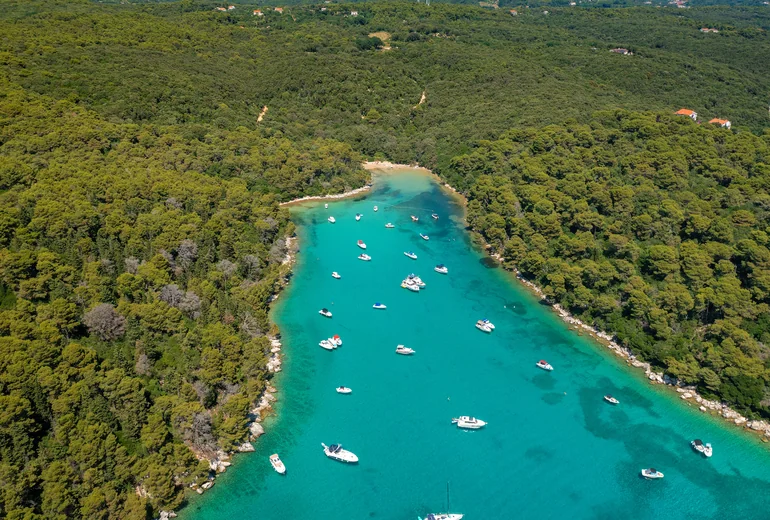
Day 4: Mljet → Lastovo — 25-32 nm. The biggest open-water leg of the week. Lastovo is Croatia’s most remote inhabited island. Anchor at Skrivena Luka (“Hidden Bay” on the south coast) or Zaklopatica on the north for a quieter restaurant scene. Worth the offshore push.
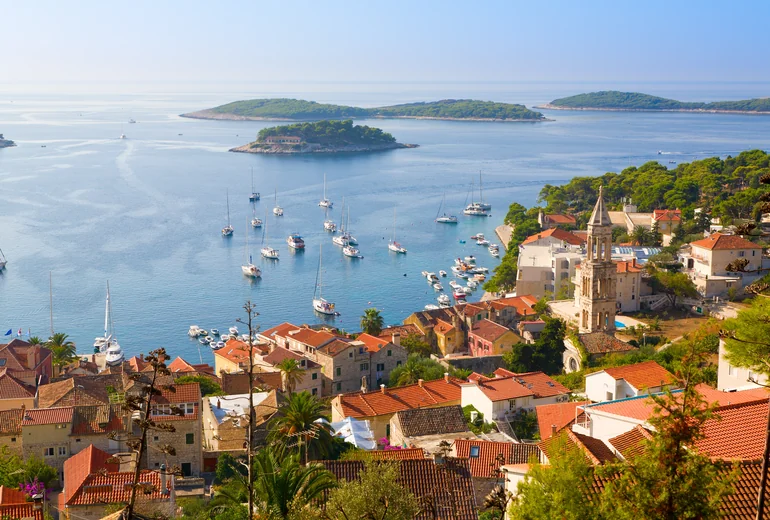
Day 5: Lastovo → Korčula town — 25 nm. North to Korčula. The old town is the southern Hvar — walled, photogenic, the marquee dinner night of the trip. Konoba Maslina or Filippi for the splurge.
Day 6: Korčula → Ston (Pelješac) — 18 nm. Across the Pelješac channel to Ston. The afternoon stop: a Pelješac winery (Grgić, Korta Katarina, Boris Burić Gangaš) for Plavac Mali or Dingač. Evening oysters in Mali Ston bay.
Day 7: Ston → Dubrovnik — 30 nm. Long final leg back via the Elaphiti channel or direct across. Fuel at Komolac, return.
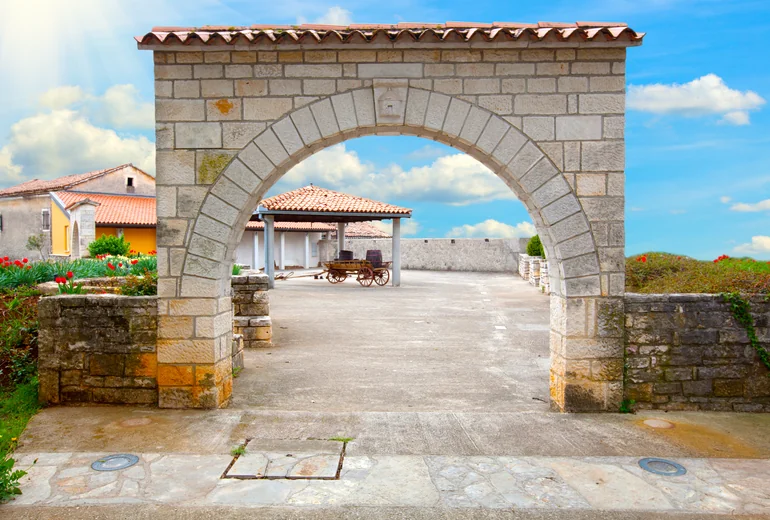
Five bays worth pinning to the chart in advance.
Šunj (Lopud). The Elaphiti’s classic lunch stop — sandy beach (rare on the Adriatic), shallow turquoise water, two beach restaurants and a 15-minute walk over the hill to the main Lopud village.
Polače (Mljet). The protected ferry harbour on Mljet’s north coast plus access to the Mljet National Park lakes. Anchor in the bay or take a place at the small ACI quay. The afternoon park-boat run to Sveta Marija islet (the Benedictine monastery in the middle of Veliko Jezero) is iconic.
Pomena (Mljet). The western Mljet alternative — smaller, more village-feel, restaurants Konoba Stine and Galija on the harbour edge.
Zaklopatica (Lastovo). Lastovo’s quiet northern bay — protected mooring field, two restaurants (Konoba Triton, Restoran Augusta Insula) that serve some of the country’s freshest fish. The northern alternative to the more developed Skrivena Luka.
Mali Ston bay (Pelješac). The oyster country. Drop anchor or moor at Mali Ston’s small quay; Bota Šare and Kapetanova Kuća are the two most-loved oyster-and-mussel restaurants. Pair with a Pelješac Plavac Mali bottle.
South Dalmatia’s longer offshore legs (Dubrovnik-Lastovo, Mljet-Lastovo, Ston-Dubrovnik) reward bigger boats with more momentum and better seakeeping than the smaller cats favored for Kornati.
Sweet spot — 45-50 ft: Lagoon 46, Bali 4.6, Fountaine Pajot Elba 45 / Tanna 47, Lagoon 50, Lagoon 51. The 46-50 ft band handles the offshore crossings comfortably and gives 4-cabin layouts for 6-8 crew. Peak rate €8,500-15,500.
Premium option — 50-55 ft: Lagoon 51, Bali 5.4, Sunreef 50 with skipper + hostess. For 10-person crews on the full luxury week. Peak rate €14,000-28,000 plus crew.
For couples or 4-person crews: a 40-42 footer still works, but the open-water legs to Lastovo will feel longer than on a 46-footer in trade-wind chop. If you don’t need Lastovo, a Bali 4.2 or Lagoon 42 covers the Elaphiti + Mljet + Korčula loop fine.
South Dalmatia’s open-water legs make catamarans the comfortable choice. The Lastovo crossing is exposed to the southerly jugo and afternoon maestral chop, and a 45-50 ft cat with twin hulls and 1.3-1.5m draft handles short-period Adriatic chop noticeably better than a comparable monohull. The Mljet anchorages at Polače and Pomena reward shallow draft — cats anchor closer in than monohulls. And the Pelješac visits to Mali Ston for oysters all work better when you can step from the cockpit to a tender at flat-water level.
The catamaran trade-off — higher marina fees in Dubrovnik (ACI Komolac charges cats 1.6-1.9x monohull rate for the same length due to beam) — matters more on a Dubrovnik charter because you’ll spend 4-5 nights in proper marinas. Budget €100-200 extra per marina night vs the monohull alternative.
Mljet National Park. Boat entry fee at Polače plus per-person park ticket for the inner-lake visit. The bicycle ride round Veliko Jezero + the boat to Sveta Marija island is the classic afternoon.
Lastovo Nature Park. Smaller entry fee than Mljet; Zaklopatica has the best restaurant cluster.
Marina fees 2026. ACI Komolac €100-200/night for a 45ft cat; Cavtat €110-180; Korčula ACI €120-200; Polače ACI smaller, €80-140.
Pickup logistics. Dubrovnik airport (DBV) is 35 minutes from Komolac, 20 minutes from Cavtat. Direct flights from London, Manchester, Dublin, Frankfurt, Munich, Vienna, Paris, Amsterdam April-November.
Tipping. Konobas: 5-10% rounded up, similar to the rest of Croatia. Pelješac wineries: tip your guide if the tasting was hosted.
For a 46-50ft cat with 6-8 crew in late June 2026:
— Boat charter: €7,500-15,000 bareboat depending on tier and exact dates.
— Provisioning: €35-60 per person per day — runs higher than Split because of the Pelješac wine spend.
— Park fees: €100-200 across the week (Mljet, Lastovo).
— Marina nights: €600-1,100 for the week (Cavtat, Šipan, Polače, Korčula, Ston, return).
— Fuel: €200-400 (longer offshore legs use more).
— Tourist tax: €1.50/person/night.
All-in trip cost for an 8-person bareboat week: roughly €13,500-19,500.
Six things to sort before arriving at Komolac:
— Reserve a Korčula ACI Marina berth for the marquee dinner night — the marina fills 3-4 weeks ahead in July-August.
— Pre-book your Pelješac winery visit — Grgić Vina, Korta Katarina and Boris Burić Gangaš take reservations directly through their websites. 90-minute tastings book up in peak weeks.
— Pre-pay your Mljet park fees online through the National Park portal — saves 30 minutes at the Polače park-boat dock.
— Pre-order Mali Ston oysters at one of the family farms (Bota Šare, Mali Ston Bay restaurants) for the night you’ll arrive — the better restaurants pull from specific producers and run out of the best Ostrea edulis stock in season.
— Plan one Lastovo overnight — Zaklopatica or Skrivena Luka. The whole point of the Dubrovnik route is reaching the country’s most remote inhabited island; skipping it makes the loop feel like a half-charter.
— Print or app-save your transit log + crew list. Croatian port authority compliance at Komolac is strict on documentation.
— Sailing from Split: Central Dalmatia routes & best catamarans — the busier big-island option.
— Sailing from Šibenik: Kornati National Park & Krka routes.
— Sailing from Pula: Istria & Kvarner routes.
Browse the 2026 fleet on the www.croatia-yachting.com fleet page. For a custom Dubrovnik / South Dalmatia itinerary, contact us via the site and we’ll come back within 24 hours.
Different cruising grounds. Split’s Central Dalmatia route is busier, more developed and has shorter hops between islands. Dubrovnik’s South Dalmatia route is quieter, more remote, has longer offshore legs (especially to Lastovo) and feels more premium. First-time Croatia visitors typically pick Split; repeat visitors and experienced sailors gravitate to Dubrovnik.
Recommended for first-timers given the longer offshore legs (especially Dubrovnik → Lastovo at 38 nm and Ston → Dubrovnik at 30 nm). If your crew includes a competent skipper with RYA Day Skipper, ICC or equivalent, you can bareboat. Otherwise, book a captain (€180-240/day in 2026).
About 1-2 days. The standard Dubrovnik → Mljet → Korčula loop fits in 5-6 days; adding Lastovo pushes it to a proper 7-day week. The 25-32 nautical-mile legs are the price of admission. For first-timers in lighter weather windows it’s well worth the push.
Yes — Pelješac is Croatia’s premier red-wine peninsula (Plavac Mali grape, Dingač sub-region). Grgić Vina, Korta Katarina and Boris Burić Gangaš are the standout cellars for a charter-day tasting. Most offer 60-90 minute hosted sessions with 4-6 wines plus a charcuterie pairing.
Late May through mid-June and September are the shoulder sweet spots — warm enough to swim, 20-25% cheaper than peak, fewer crowds at Korčula and Mljet. July-August is peak, hottest, busiest at marquee stops. October weather gets variable; April still cool for swimming.
Six short questions, then a real reply from a www.croatia-yachting.com broker within four working hours.