Korčula by Boat: Moorings, Lumbarda Beaches & Pošip Cellars
Korcula by boat, done right: ACI marina vs town quay vs Lumbarda anchorage, the Badija swim stop, and tasting Pošip at the source. Plan your island stop.
Ler mais
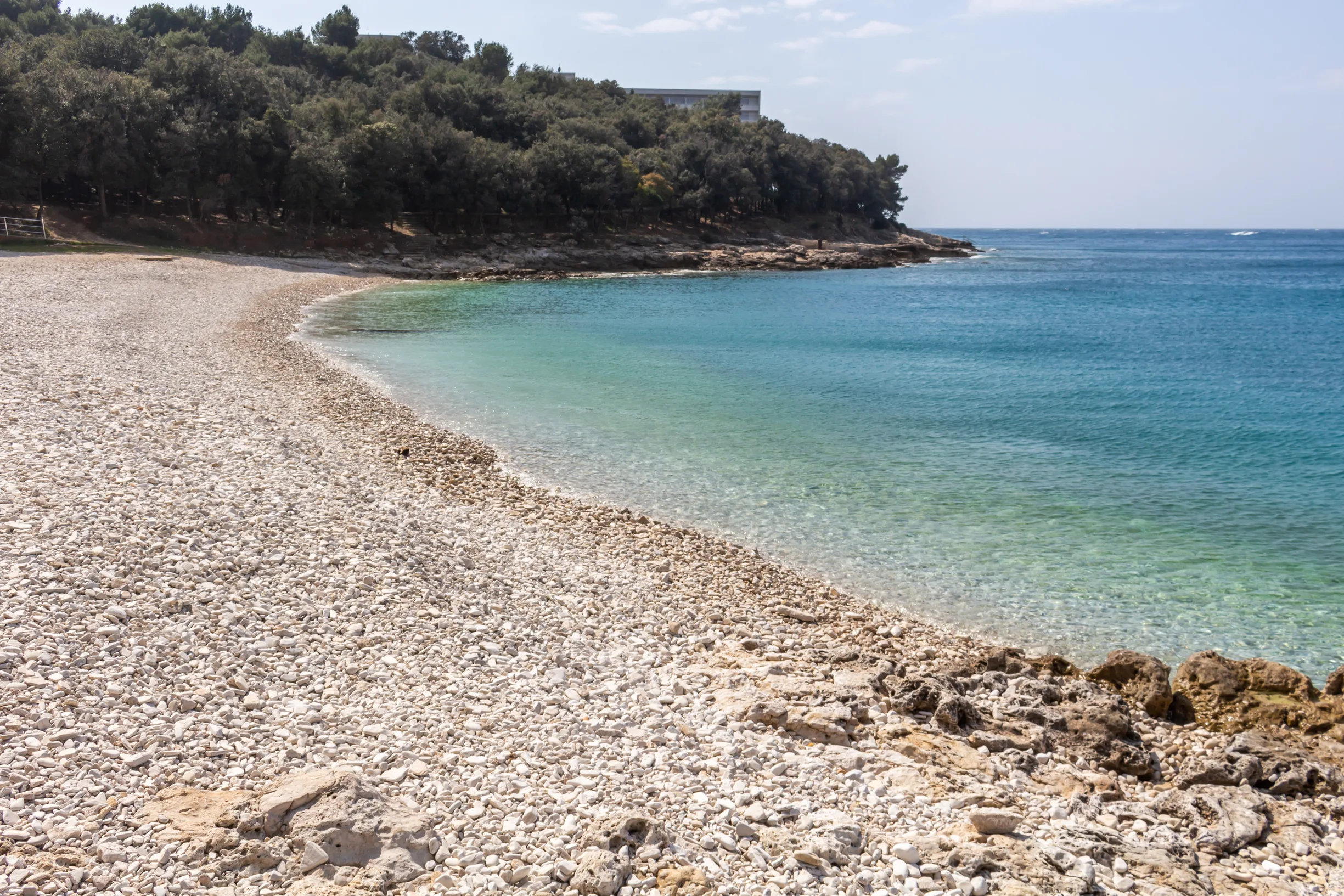
The dream is a laptop in the cockpit, a swim at lunch and a video call that doesn’t drop. The reality is achievable in Croatia, but only if you plan the connectivity rather than hope for it. Working remotely from a boat croatia-side has gone from a stunt to a genuine option in the last two seasons, mostly because of one piece of hardware and a better understanding of where the Adriatic’s mobile network actually reaches.
This is the honest version: what marine Starlink costs to run, where 4G and 5G hold up for calls, how to build a workday around the wind and the heat, and which boats come connectivity-ready. If you’re planning to stretch a summer charter into a workation, read this alongside our 7-day Croatia packing checklist, which covers the power and cabling side in more detail.
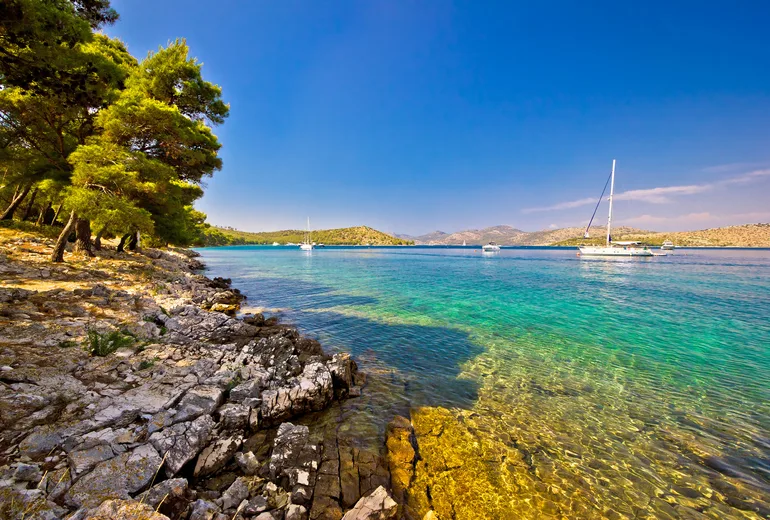
You have two realistic paths to a working connection in a Croatian anchorage: the mobile network through a phone or a 4G router, and satellite through Starlink. Most crews who actually need to work end up using both, with one as the backup for the other.
Croatian mobile coverage along the populated coast is genuinely good. In and around towns like Hvar, Vis, Korčula, Split and Šibenik you can hold a video call on 4G or 5G without much drama. A local eSIM or a prepaid SIM from one of the carriers (the main networks sell tourist data bundles) runs roughly €15–30 for 20–50 GB — cheap enough to be your everyday connection.
The gaps show up exactly where the scenery is best. Drop anchor behind a high island or in a deep cove on the seaward side of the Kornati, and the bars vanish. A cheap marine 4G antenna mounted up the rail or on the radar arch helps pull a usable signal a surprising distance offshore, but it won’t conjure coverage out of a true dead zone. The practical rule: if you can see a town or a phone mast, you can probably work; if you’ve sailed somewhere genuinely wild, assume you can’t.
Starlink changed the maths. With the Roam or maritime plans you get a steady high-bandwidth connection almost anywhere in Croatian waters, dead zones included. Expect hardware in the region of €450–650 for the standard dish (some are flat-mount, some need a clear sky view), plus a monthly plan that runs roughly €50 for the entry Roam tier up to a few hundred euros for higher-data or in-motion maritime tiers. Pause it in the off-season and you only pay for the months you sail.
The catches are power and stowage. The dish draws meaningful watts — typically 40–100 W depending on the model — which is a real load on a boat’s batteries overnight, so you’ll lean on the engine alternator or solar to keep up. And it needs a clear view of the sky, so a tight cove under a cliff can still clip the connection. None of that is a dealbreaker; it just needs thinking through before you commit to back-to-back work weeks afloat.
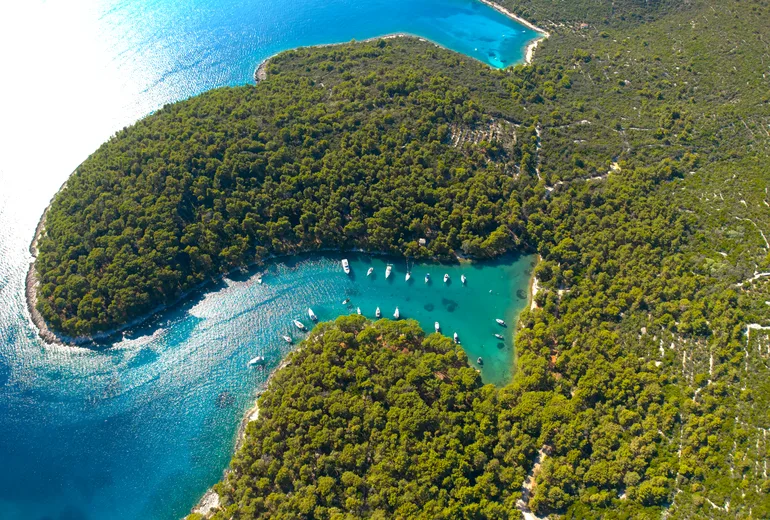
If you’re relying on mobile data, plan your anchorages around it. The Šibenik channel islands, the bays around Vis town and Komiža, the Hvar and Pakleni anchorages, and most of the Split–Trogir corridor all hold a call reliably. The Pelješac and Korčula channels are solid too, helped by the mainland masts.
Where mobile gets thin: the outer Kornati and Žut, the seaward coves of Lastovo and Vis, and tucked-away bays behind tall islands. Those are precisely the spots where Starlink earns its keep. A sensible workation pattern is to sleep in the wild places on non-work nights and reposition to a town-adjacent anchorage the evening before a big meeting — that way you get the scenery and the certainty.
The single biggest lesson from crews who’ve done this: work with the Adriatic’s rhythm, not against it. Mornings are calm, cool and quiet — perfect for focused work — while the afternoon maestral kicks up wind, chop and the urge to swim.
In practice the best schedule starts early. Coffee in the cockpit by 7, two or three hours of deep work before the heat builds, then a swim and an early lunch. Knock out calls in the late-morning lull when the anchorage is still glassy and the wind hasn’t filled in. By mid-afternoon, when the maestral is blowing 12–18 knots and the boat is fidgeting on its anchor, you’re better off underway or ashore than fighting a wobbly call. A second short work block after the wind drops in the evening rounds out a full day without it eating the whole charter.
Heat is the quiet enemy of cockpit work — both for you and the laptop, which throttles when it bakes in direct August sun. Rig the bimini or a sun awning so your screen sits in shade, keep a 12 V USB-C charger wired to the boat’s house bank, and run a small power inventory each morning: fridge, autopilot, Starlink and laptops add up fast. On most modern charter boats with solar and a decent alternator it balances out, but it pays to confirm the electrical setup with the charter company before you book a connectivity-heavy week.
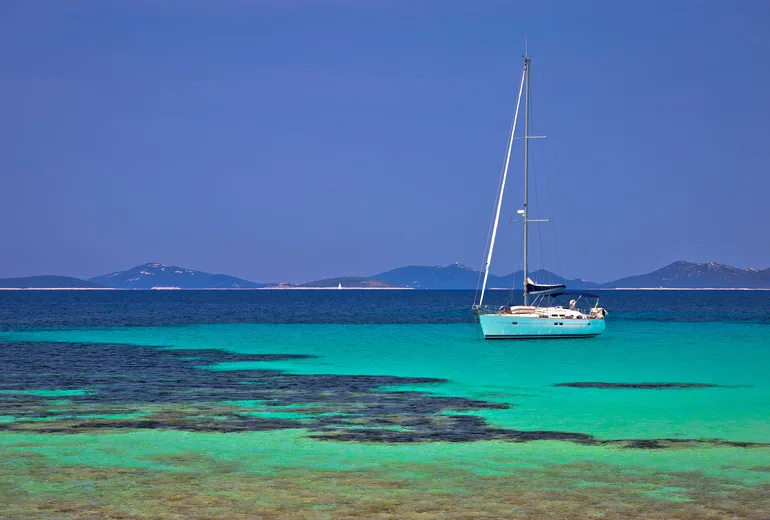
Not every boat in the fleet is set up for this. The features that matter are house-battery capacity, solar capability, a 230 V inverter for laptop chargers, and either a factory Starlink fit or somewhere sensible to mount one. Newer catamarans tend to win here: more roof area for solar, bigger battery banks and far more shaded cockpit space to actually work in than a monohull of the same length.
When you’re comparing options, ask the charter company three direct questions — is there an inverter, what’s the solar and battery setup, and is Starlink available as an add-on? Some fleets now offer pre-installed satellite internet as an extra, which saves you carrying and rigging your own. You can filter and compare connectivity-friendly boats in our Croatia charter fleet and then confirm the electrical details directly. If you’re still weighing how chartering with us works, the Croatia Yachting FAQ answers the common questions about extras and onboard equipment before you commit to a connectivity-heavy week.
A workation only works if it’s honest about the trade-offs. Don’t book a week of back-to-back client calls and expect to also sail the Kornati — pick one as the priority for each day. Build in a genuine non-work day or two. And keep a redundancy: a phone hotspot as backup to Starlink, or vice versa, so a single outage doesn’t sink a deadline.
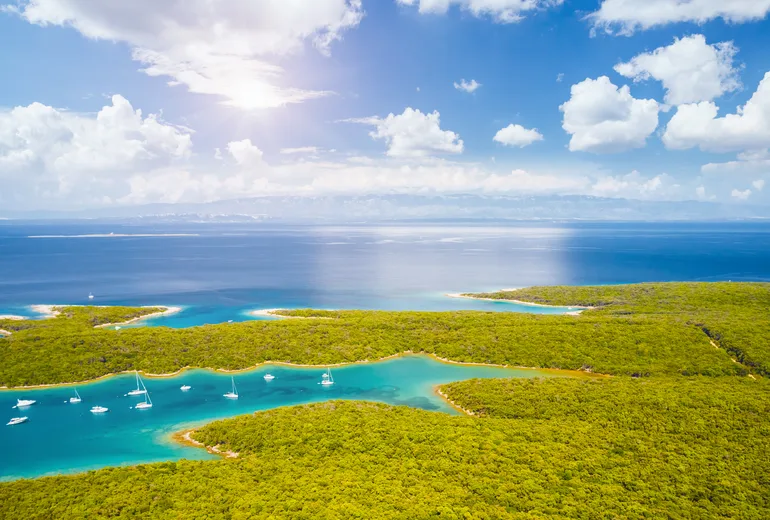
Done with a bit of planning, it’s a remarkable way to live for a week or two — the quiet anchorage commute beats any other. If you want the quietest cruising ground to pair with light work days, our route through the crowd-free Šibenik islands via Žirje, Kakan and Kaprije is a good template: town-adjacent enough for signal, quiet enough to actually focus.
Yes, with the right setup. On mobile 4G/5G near towns you can hold calls reliably, and Starlink gives you steady bandwidth almost anywhere, including dead zones. The trick is to schedule important calls during the calm morning hours and from a sheltered, signal-friendly anchorage rather than the wildest cove.
If you bring your own dish, the hardware is a one-off (roughly €450–650) and the plan is monthly — about €50 for the Roam tier, more for higher-data maritime tiers. Some charter fleets rent it as an add-on instead, which avoids the upfront cost and the rigging. Either way you only pay for the months you actually use it.
For light email and occasional calls near the coast and towns, often yes — a local data SIM is cheap and coverage along the populated Adriatic is good. But if your work can’t tolerate a dropped connection in a remote bay, treat mobile as the backup and Starlink as the primary, not the other way around.
Catamarans, generally. They offer more solar area, larger battery banks, shaded cockpit workspace and steadier motion at anchor than a comparable monohull. Whatever the hull, confirm the boat has an inverter and enough power generation before you book a work-heavy week.
Thinking of turning a summer charter into a workation? Compare connectivity-ready boats and quiet bases across our Croatia sailing destinations and build a week that fits both your inbox and the islands.
Seis perguntas breves e, depois, uma resposta real de um corretor do www.croatia-yachting.com em quatro horas úteis.