What a Week’s Yacht Charter in Croatia Really Costs in 2027: Line-Item Budgets
Croatia yacht charter cost per week 2027, itemised: three full budgets for sailing, motor and crewed yachts from base fee to fuel, moorings and tips.
Read more
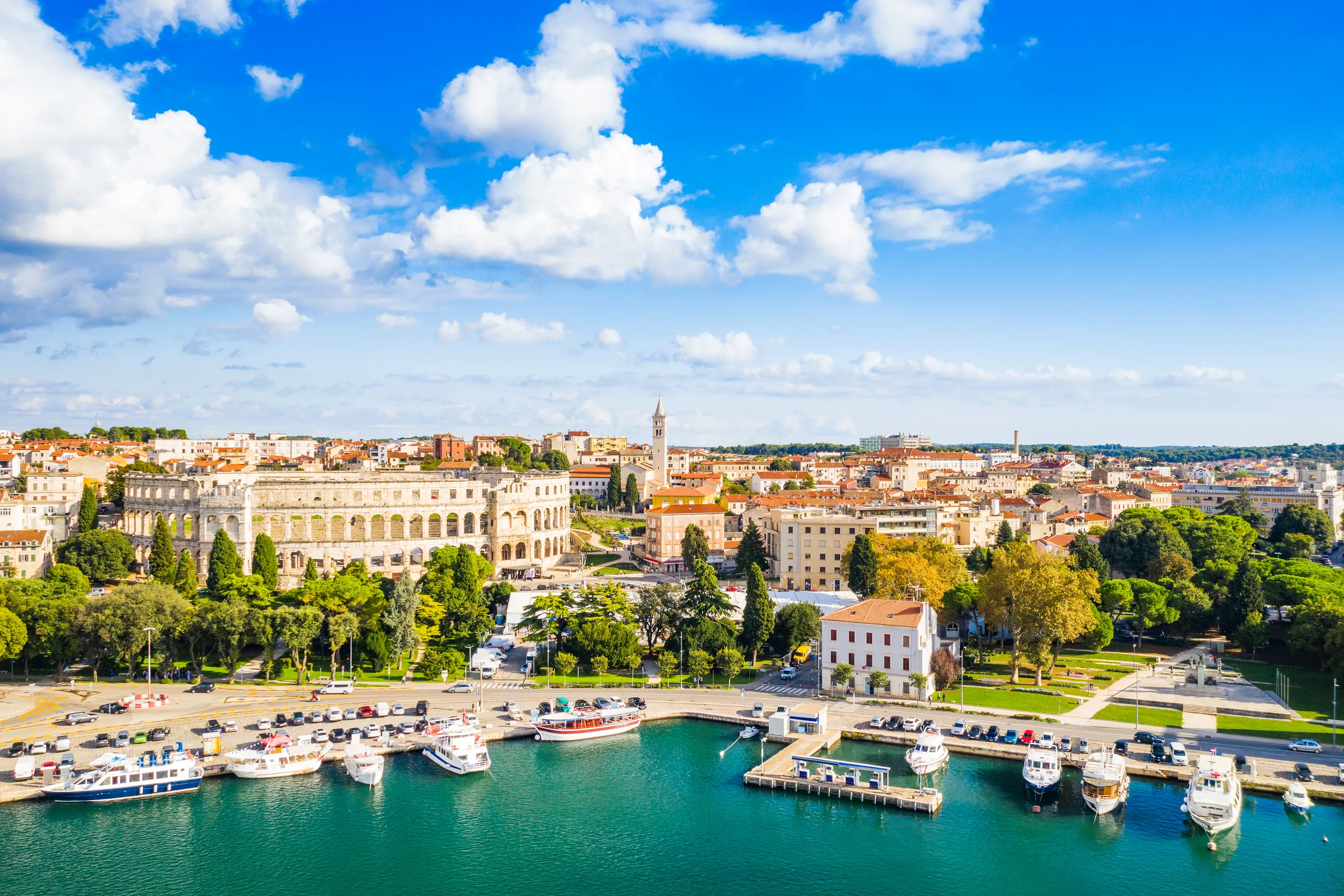
If you own a sailing yacht and the marina bill arrives whether you use the boat or not, charter management is the obvious way to make it pay. In Croatia, where the charter fleet is one of the largest in the Mediterranean, putting a boat into yacht charter management is a well-worn path. It is also full of fine print that decides whether you come out ahead or simply subsidise someone else’s business.
This is the ownership-curiosity explainer, written from the charter agency side of the desk. We will walk through how the income splits actually work, the difference between guaranteed-income and performance models, what 20-plus charter weeks a year do to a boat, and the questions to put to any fleet operator before you sign. No spreadsheets that assume a perfect season — just the mechanics.
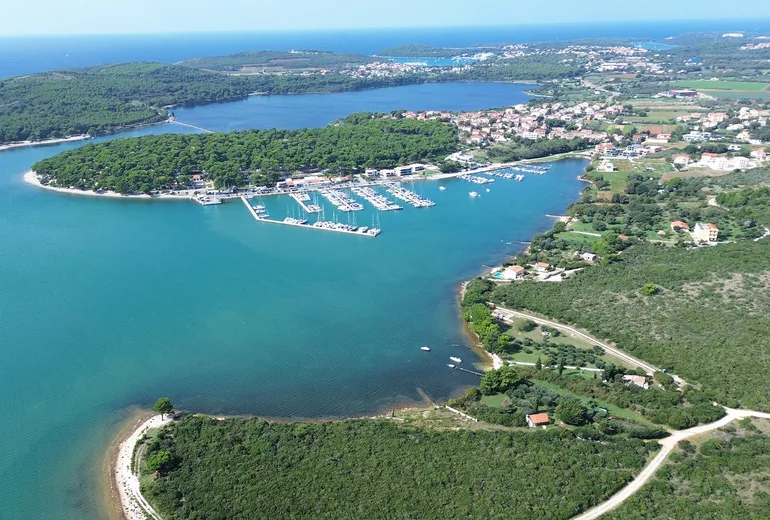
At its simplest, a management company markets your boat, takes the bookings, handles check-in and check-out, cleans and maintains it between guests, and pays you a share of the revenue. The good operators in Split, Šibenik, Zadar and Dubrovnik run dozens to hundreds of boats and have the booking reach, the base staff and the spare-parts supply chain that an individual owner cannot match alone.
What you are really buying is occupancy and logistics. A boat sitting on a private berth earns nothing and still ages. A boat in a managed fleet can do 18 to 24 charter weeks across an April-to-October season, with someone else absorbing the turnaround chaos. The trade is control and a meaningful slice of the gross. Understanding the broader cost picture helps here; our full breakdown of Croatia charter costs by boat and season shows where the charter fee actually goes.
Base choice affects everything downstream. Split and Trogir sit at the centre of Dalmatia with the highest demand and the deepest booking calendars, but also the most competition. Šibenik and Zadar offer slightly easier marina economics. Dubrovnik commands premium weekly rates but a shorter, more concentrated season. The right base depends on your boat type and how aggressively you want it chartered.

Almost every Croatian operator offers a version of two structures. Read both carefully, because the headline number is rarely the whole story.
The company pays you a fixed annual sum regardless of how many weeks the boat charters. A typical figure runs around 8% to 12% of the boat’s purchase value per year, sometimes paid monthly. The appeal is certainty: you know your number on day one and you carry no booking risk. The catch is that the operator keeps all upside, and the guaranteed figure is set low enough that they expect to do better than they pay you.
You and the operator split the charter revenue, commonly somewhere between 60/40 and 70/30 in the owner’s favour after the company’s commission, with the owner usually covering big maintenance and the operator covering marketing and base operations. A strong boat in a busy base can out-earn the guaranteed model handily in a good year — and underperform it in a weak one. The numbers swing with demand, weather and how well the operator fills the shoulder weeks.
Guaranteed income sells certainty; the performance split sells upside. Which one wins depends entirely on how full your operator can keep the boat in May, June and September — the weeks that decide the season.
One detail people miss: who pays for what. Berth fees, insurance, antifouling, engine service, sail replacement and the inevitable charter-guest damage all land somewhere. In a guaranteed deal the operator often absorbs more of it; in a split, more falls to you. Always price the model net of those costs, not on the gross.
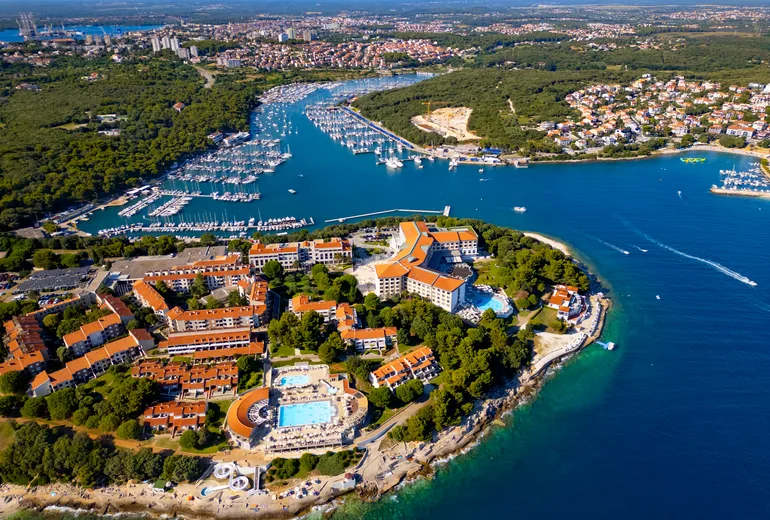
Be honest with yourself about wear. A heavily chartered boat is not a lightly used private yacht. Twenty-plus weeks means thousands of engine hours over a few seasons, sails that stretch, upholstery that fades, and a gelcoat that collects fender rash and dock dings. None of this is a dealbreaker, but it shapes the maths.
The standard expectation in the Croatian market is roughly a five-year charter life before the boat is sold on with significant depreciation, after which it often continues a second life as a budget charter or private cruiser. The popular family hulls hold value better because the resale demand is there — our review of the Lagoon 46, the most-booked family catamaran in Croatia explains why certain models stay bookable and saleable far longer than others.
A good operator’s maintenance program is the difference between a boat that charters cleanly for five years and one that bleeds money on emergency repairs in August. Ask exactly how between-charter servicing works, who inspects the boat each Saturday, and how fast they fix a guest-reported fault mid-season. A fast, well-stocked base protects both your revenue and your asset. The same charges your charterers grumble about — transit log, marina fees, the lot — are detailed in our guide to the hidden costs of a Croatian charter, which is useful background for setting guest expectations and pricing your boat fairly.
Before you hand over a boat worth several hundred thousand euros, get straight answers to these:
If an operator dodges the occupancy question or cannot show you a real owner statement, treat that as the answer. The strongest Croatian fleets are transparent because their track record sells the deal.
For most owners who cannot use a boat for more than a few weeks a year, yes — managed charter turns a depreciating asset that costs money to sit still into one that largely pays its own way. You will not get rich; the realistic goal is to cover berthing, insurance, maintenance and a chunk of the financing while the boat is professionally cared for. Going in with that expectation, rather than dreams of profit, is what separates happy owners from disappointed ones. To see the demand side that drives your occupancy, browse the live Croatia charter fleet and note which boats and bases book hardest.
It varies widely by boat, base and model. Guaranteed-income deals commonly pay around 8% to 12% of the boat’s value per year, while a performance split can earn more in a strong season and less in a weak one. The realistic aim for most owners is to cover running and financing costs, not to turn a clear profit.
Guaranteed income gives certainty and zero booking risk but caps your upside. A revenue split rewards a busy boat in a high-demand base but exposes you to weak seasons. The deciding factor is how reliably your operator fills the shoulder weeks of May, June and September.
The common expectation in Croatia is around five years of intensive charter use, after which owners typically sell the boat on at a notable depreciation. Popular family models hold their resale value better thanks to steady second-hand demand.
Yes, most agreements include owner-use weeks, but expect them outside the peak July and August window, since those weeks are the operator’s most valuable revenue. Confirm the number and the eligible months in the contract before signing.
Thinking about putting a boat into the Adriatic fleet, or just want to see what charters there now? Explore the current Croatia charter destinations and yachts to understand the market your boat would be joining.
Owners who want their yacht in charter can begin on the Croatia Yachting charter homepage, which shows the fleet and the bases we work with.
Six short questions, then a real reply from a www.croatia-yachting.com charter agent within four working hours.
Your privacy
You can read more about how we protect your personal data and use cookies in our Privacy Policy.
With your consent, we and Google use cookies and similar technologies to store and access information on your device and to process personal data such as your visit to this website, your IP address and cookie identifiers. You can withdraw your consent at any time through “Cookies” at the bottom of every page.
We and Google process data for:
Website analytics and visit statistics, recordings of visits to improve the website, ad measurement and remarketing, storing and accessing information on your device